Riding Along With Risk: Can You Get a DUI if the Driver Is Drunk in Texas, or What Trouble Can Passengers Actually Face?
No, in Texas a passenger cannot be charged with DWI just because the driver is drunk. But passengers can still face separate problems during a Houston traffic stop, including citations or arrests for public intoxication, open containers, or conduct that interferes with the investigation. Understanding where the real risks are helps you protect your record, your license, and your job.
If you are the Worried Passenger, you want plain answers fast. This guide explains when passengers are safe, when they are not, and what to do in the moment. We cover Texas law statewide, then focus on how Harris County agencies and courts typically handle these situations.
Quick answer: can you get a DUI if the driver is drunk?
Texas law defines DWI around a person who operates a motor vehicle in a public place while intoxicated. If you were only a passenger, you were not operating the vehicle. So the short answer to can you get a DUI if the driver is drunk is no. That said, officers often evaluate passengers for other offenses that are easier to charge on the roadside. The most common are public intoxication and open container in the passenger area. Less commonly, a passenger can face charges for interference, giving false information, or separate alcohol or drug offenses.
Why this matters to you: a simple citation can still hit your background check, cost you money, and cause stress at work. Knowing the boundaries helps you stay calm and make safer choices during the stop.
Houston snapshot: a realistic roadside moment
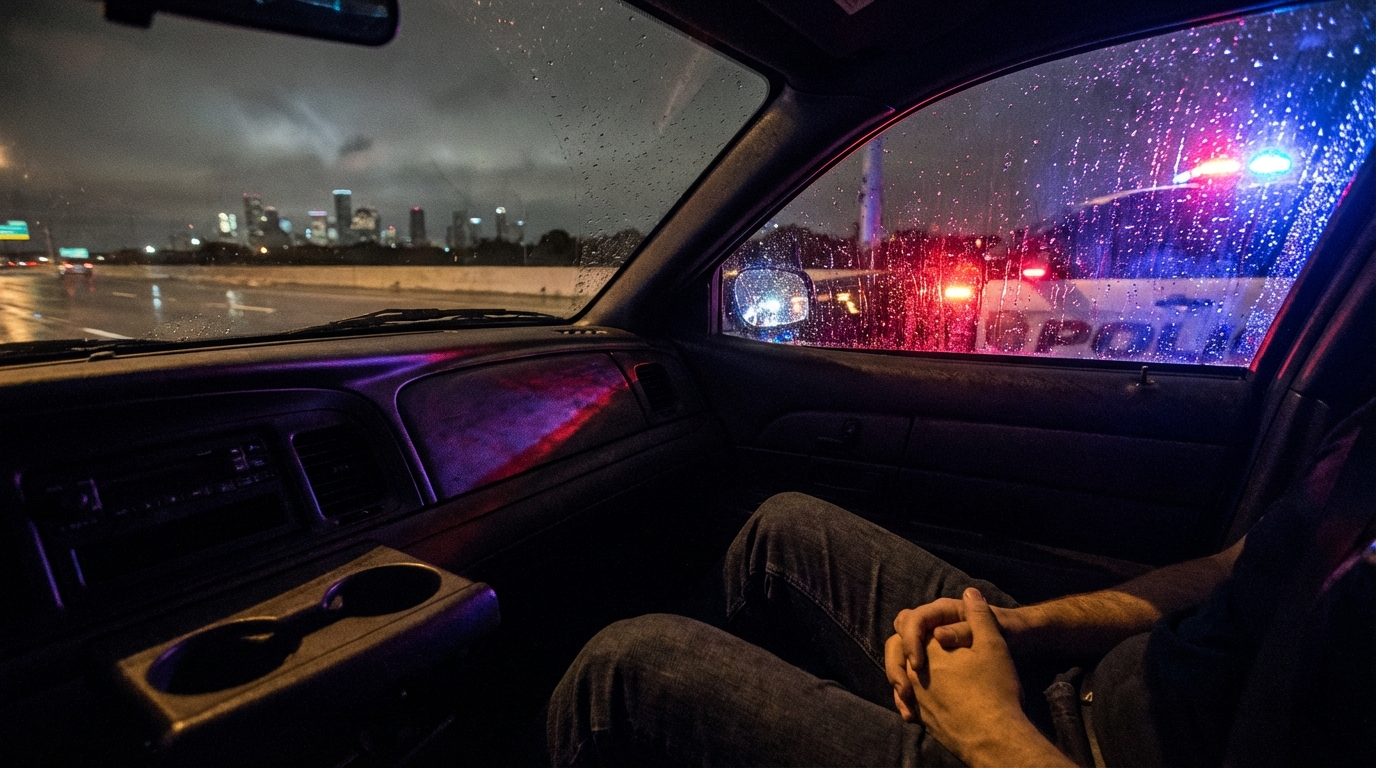
Think about a Friday around 11:45 p.m. on I‑10 near downtown Houston. James is the sober passenger in his coworker’s car. HPD lights up the vehicle for speeding, then starts a DWI investigation on the driver. James keeps his hands visible, provides his name when asked, and politely tells the officer he would like to remain silent about drinking. The officer finishes field tests with the driver, calls a wrecker, and lets James arrange a rideshare home. James avoids a ticket because he did not have an open container and did not appear intoxicated or unsafe. In a similar stop where the passenger is unsteady, slurs speech, or holds a cup that smells like alcohol, officers in Harris County routinely issue a Class C citation or make a custodial arrest for public intoxication.
Passenger risks under Texas law
Even when you cannot be charged with DWI as a passenger, you can be cited or arrested for separate offenses that live alongside the DWI investigation. The two you will hear about most are part of the same chapter of the Texas Penal Code that covers intoxication offenses. For the black‑and‑white statute language, see the official compilation of Texas statutes on intoxication and alcohol offenses.
Public intoxication as a passenger
Public intoxication is different from DWI. The question is not whether you were driving, it is whether you were intoxicated in a public place to a degree that you may endanger yourself or others. In a vehicle on a roadway, officers look for stumbling, confusion, glassy eyes, strong odor of alcohol, or risky behavior. A public intoxication case is a Class C misdemeanor, typically punishable by a fine up to $500. Officers may transport you for safety, or release you to a sober adult if available. A PI case can be dismissible or eligible for expunction in some outcomes, but it does not vanish by itself.
Open container tickets for passengers
Texas makes it illegal to have an open container in the passenger area of a motor vehicle that is on a public highway, even when parked. The passenger area covers the driver and front passenger compartments, plus any seating area accessible while in the vehicle. The law applies to cans, bottles, cups, and to‑go containers with alcohol. A violation is a Class C misdemeanor with a fine up to $500. Exceptions include containers in a locked glove box or in the trunk. If this topic is on your mind because of takeout drinks, here is more detail on how open container rules can affect passengers.
Aiding or encouraging drunk driving
Texas does not create a separate “aiding DWI” charge for passengers. Still, a passenger can create trouble fast by handing over a fake name for the driver, hiding evidence, or pushing a clearly intoxicated person to drive a vehicle that belongs to the passenger. Those choices can lead to different charges like providing false information, interference with public duties, or separate alcohol offenses under other chapters of Texas law. Civil liability is possible if you entrusted your car to an obviously intoxicated driver who then injured someone. The safest course is simple, do not assist a drunk person with driving and do not obstruct the investigation.
Texas passenger rights at DWI stops
When blue lights come on, your goal is to protect yourself without escalating the situation. You want to stay polite, clear, and quiet.
- Identification: If an officer legally detains you, provide your correct name and date of birth. Keep your hands visible and do not reach around the car without permission.
- Silence about alcohol and drugs: You can calmly say, “I do not wish to answer questions.” That protects you from statements that get misheard on bodycam.
- Consent to search: You can decline consent to search your pockets, bag, or phone. If the officer has a lawful basis to search, they will proceed anyway, but your refusal keeps the legal issue clean for later review.
- Ask if you are free to leave: If the driver is being arrested and you are sober, ask, “Am I free to go?” If yes, leave the scene safely.
- Do not interfere: Recording is allowed from a reasonable distance, but do not step into the officers’ space or ignore commands.
If you want a deeper walk‑through of what to do on the shoulder or at a checkpoint, see what to do at a DWI traffic stop step-by-step. It explains how to stay safe while preserving defenses.
Houston TX roadside scenarios for passengers
Here are common scenes we hear about in Harris County and nearby counties like Fort Bend and Montgomery. Use these as reference points, not guarantees.
- Wrecker on the way: The driver is arrested on Washington Avenue and the car is towed. You are sober, with no open alcohol. Officers often allow you to leave in a rideshare if you are not a safety risk.
- Open can in the back seat: A deputy on US‑59 sees a beer can beside your feet that is still wet, issues a Class C open container ticket, and takes a quick photo for the case file.
- Everyone drank at the game: On I‑610 after a baseball game, the trooper thinks you are unsteady and asks if you will take a portable breath test. You can decline. If the trooper believes you are a danger, you may still be arrested for public intoxication.
- Verbal pushback: The driver fails roadside tests while you loudly argue about it. Expect a warning about interference. If you ignore commands, interference charges can follow.
License questions: do passengers face ALR or suspension?
As a rule, the administrative license suspension process in Texas, called ALR, targets drivers who either refuse a chemical test or test at 0.08 or higher. Passengers usually do not face ALR or a driver license suspension from a DWI stop unless they were later accused of driving or have another separate license issue. If you are trying to help a friend who was the driver, learn the timeline for the driver’s license case here, including the 15‑day deadline to request a hearing, in this overview of how ALR hearings work and protecting your license.
For a passenger who receives only a Class C citation like public intoxication or open container, the case normally affects your criminal record and your wallet, not your license. Certain professional licenses can still care, so keep reading if that applies to you.
Money, work, and background checks
Even a small ticket has outsized effects when your employer runs periodic screens. Class C fines in Texas often fall in the $200 to $500 range with court costs, and some outcomes can be expunged or sealed later, depending on the disposition. If you work in finance, healthcare, energy, or education in Houston, an alcohol‑related incident may trigger HR questions. For a deeper dive on hiring screens and reporting periods, see this discussion of how a passenger incident can affect your job prospects.
Common misconceptions you can drop now
- Myth: If the driver is drunk, all passengers get DUIs. Reality: Passengers are not charged with DWI for riding, but can face public intoxication or open container.
- Myth: A sealed to‑go cup is fine in the front seat. Reality: If alcohol is inside and the seal is broken or the lid is removable, it may count as an open container in the passenger area.
- Myth: If I am drunk but not driving, I cannot be arrested. Reality: Public intoxication focuses on safety risk in a public place, not on who was driving.
- Myth: A Class C ticket does not affect employment. Reality: Many background checks report arrests and citations for years unless you later clear them.
What to do right now if the driver is investigated for DWI and you are the passenger
These steps are simple and practical. They help you avoid unforced errors, and they also help a lawyer review the event later.
- Stay still, hands visible, and speak calmly. Provide your name and date of birth if asked, then say you prefer not to answer questions.
- Do not hold or pass around containers. If alcohol is in the passenger area, move nothing without permission.
- Decline consent to search your bag or pockets. If officers search anyway, do not resist physically.
- If you are sober, ask if you are free to leave. If yes, leave safely and do not linger near the investigation.
- Afterward, write down times, locations, what was said, and any witnesses. Save ride receipts or photos that show your condition or the interior of the car.
- If anyone received a citation or arrest, note the exact charge, court location, and first setting date. Harris County Criminal Courts at Law typically set first appearances within a few weeks.
For a plain‑English overview of consequences and next steps that many worried passengers find useful, you can also read TexasLawHelp’s plain language guide to DWI consequences in Texas. It focuses on drivers, but it helps you see the big picture of what is happening during your stop.
How cases move in Harris County and nearby courts
If you receive a Class C citation as a passenger, your case typically lands in a municipal court or a Justice of the Peace court. Expect an initial setting within 2 to 6 weeks. If the driver is charged with DWI, that case goes to a County Criminal Court at Law. Those timelines differ, and you do not have to appear in the driver’s case unless you are subpoenaed.
Many passenger cases can be negotiated to a dismissal or deferral if you have a clean record and the facts are mild. That is not automatic. Outcomes are fact specific. A qualified Texas DWI lawyer can evaluate video, the stop basis, and whether there was a valid reason to detain you or to accuse you of endangering yourself in a PI case.
Short technical box for the Solution‑Seeker Professional
Solution‑Seeker Professional: You want specifics. Here are common defenses and timelines counsel may use for passenger‑only allegations.
- Public intoxication: Argue lack of intoxication or lack of endangerment. Officers often rely on subjective cues, so bodycam review matters. If there was a sober ride available, that may undercut the endangerment element.
- Open container: Challenge location and possession. The state must show the container was in the passenger area and open. Containers in the trunk or a locked glove box are not violations. The state also must connect the container to the person cited when there are multiple passengers.
- Interference or obstruction‑style allegations: The video must show that commands were clear and that your conduct actually impeded duties. Mere criticism from a safe distance is not interference.
- Suppression themes: Unlawful stop or detention, lack of reasonable suspicion to detain a passenger, invalid consent, or a search outside exceptions.
- Outcomes and timing: Harris County passenger citations often resolve within 30 to 120 days. Some courts offer deferred dispositions or dismissals with conditions. If the driver faces ALR, the driver’s 15‑day clock to request the hearing runs from the notice date. Passengers do not have an ALR clock unless they were accused of driving.
Career‑Conscious Nurse: license questions and quick deadlines
Career‑Conscious Nurse: You worry about your professional license more than the fine. Many Texas licensing boards care about alcohol‑related incidents, even when they are not DWIs. Requirements vary by board. Some require reporting certain arrests or convictions within a set number of days, often around 30, and many ask about deferred adjudications on renewal. Keep copies of all paperwork, and consider speaking with a licensing‑focused attorney in addition to any criminal counsel. If you were only a passenger and received a Class C citation, ask about options that avoid a conviction and preserve expunction eligibility.
Carefree Young Adult: passenger risks are not zero
Carefree Young Adult: Riding with a drunk friend can still cost you. Open container and public intoxication tickets can run hundreds of dollars with court costs. On some campuses, even a small alcohol case triggers student conduct review or housing consequences. Keep it simple, line up a sober driver or rideshare and do not hold an alcoholic drink in the car.
High‑Status Executive: discretion and damage control
High‑Status Executive: If you value discretion, remember that many Class C cases allow an attorney to appear for you. Early review of bodycam footage and quick negotiation can shorten the life of the matter. If you receive a subpoena as a witness in the driver’s DWI case, discuss strategies to protect your privacy before the first setting. Keeping your personal and professional footprint small is a reasonable priority.
FAQs about can you get a DUI if the driver is drunk in Texas
Can a Houston passenger be charged with DWI because the driver was drunk?
No. DWI requires operating a motor vehicle in a public place while intoxicated. Passengers are not operating the vehicle. Passengers can still face Class C offenses like public intoxication or open container, which carry fines up to $500.
Will being a passenger at a DWI stop affect my Texas driver license?
Usually no. The ALR process targets drivers who refuse or fail chemical tests. Passengers typically have no ALR exposure. Separate license issues can arise for commercial drivers or if the passenger later becomes the driver in a related incident.
What should I say to police as a passenger during a DWI investigation?
Provide your correct name and date of birth if asked, then politely decline to answer questions about alcohol or drugs. You can say, “I do not wish to answer questions.” Avoid arguing or interfering with the investigation.
Can a passenger be arrested for public intoxication if a rideshare is on the way?
It depends. Officers look at whether you appear intoxicated to the degree you may endanger yourself or others. Showing that a sober ride is present can help, but the decision is still in the officer’s hands based on safety.
Is an open drink in a to‑go cup legal in the front passenger seat in Texas?
Generally no. An open container in the passenger area, including a cup with alcohol, is a Class C offense. Containers in a locked glove box or trunk are exceptions, and sealed containers without a broken seal are not considered open.
Why acting early matters, especially in Harris County
Quick action preserves options. If you received a citation, early requests for video and dispatch records protect evidence. If your employer or a licensing board will ask questions, prepare your explanation while details are fresh. For the driver’s case, the ALR deadline is only 15 days after notice, so helping a friend get informed quickly can save a license. If you have follow‑up questions, some readers like to use an interactive Q&A for common passenger DWI questions as a learning tool. Whatever you choose, an informed plan is better than guessing.
Two‑minute video: why staying silent protects passengers at a Texas DWI stop
This short attorney walkthrough explains why silence inside the patrol car reduces risk for passengers, including how your words can be misunderstood on bodycam and used to support a separate charge. If you are the Worried Passenger, it is a quick way to understand what to say and what to skip before you review the checklists above.
Butler Law Firm - The Houston DWI Lawyer
11500 Northwest Fwy #400, Houston, TX 77092
https://www.thehoustondwilawyer.com/
+1 713-236-8744
RGFH+6F Central Northwest, Houston, TX
View on Google Maps


No comments:
Post a Comment