Wednesday, December 31, 2025

Shopping for Softer Laws: What Is the Most Lenient State for DUI and How Do Its Penalties Compare to Texas DWI Rules?


Shopping for Softer Laws: What Is the Most Lenient State for DUI and How Do Its Penalties Stack Up Against Texas DWI Rules?

The state most often cited as having the most lenient first-offense DUI penalties is South Dakota, largely because it does not mandate jail time or a hard driver’s license suspension for a standard first offense, and some cases can be handled without significant short-term license loss. By contrast, Texas treats even a first-time DWI as a serious criminal charge with potential jail time, thousands of dollars in fines and surcharges, and an automatic license suspension process that starts almost immediately after arrest. If you are a Houston driver comparing states with lighter DUI penalties, the key takeaway is that Texas sits closer to the strict side of the spectrum, especially on license consequences and long-term impact on your record.

If you are worried about your job, commute, and family responsibilities, the question is not just what is the most lenient state for DUI, but how those softer rules really compare to Texas DWI law that actually controls your life right now. This guide breaks down that comparison in plain language so you can see what is myth, what is real, and where you still have room to protect yourself in Harris County and nearby Texas counties.

Why People Ask About the “Most Lenient” DUI State

If you are like the Practical Worrier (Mike), you may be sitting in your Houston apartment or parked outside work scrolling your phone after a DWI arrest or close call. You see charts online that rank states as “toughest” or “softest” on DUI and you wonder if Texas is unusually harsh or if moving, traveling, or “shopping” for softer laws could help you. Under that nervous research is one big fear: Will this ruin my job and my ability to drive my kids or get to work.

The truth is more complicated than a single ranking. Different states weigh jail time, license suspensions, fines, ignition interlock, and treatment in very different ways. A place that looks lenient on jail may be brutal on license suspensions. Another may have low fines but impose strict mandatory ignition interlock for years. Texas sits somewhere in the middle to strict range, and your specific risk depends on your prior history, your blood alcohol concentration, and whether anyone was hurt.

Quick Snapshot: Most Lenient DUI State vs Texas DWI Basics

For a basic, first-offense DUI involving an adult driver with no crash or injuries, South Dakota is often flagged as the most lenient. Reasons include:

  • No mandatory minimum jail term for a standard first offense
  • Shorter or no hard license suspension in some first-offense scenarios
  • Fine ranges that can be lower than many states

Texas takes a different approach. A first-time Texas DWI (with a typical BAC under 0.15 and no crash injuries) is usually a Class B misdemeanor. Even on a first offense, you face potential jail time, fines, court costs, probation conditions, and a separate administrative process that can suspend your license for months. For a deeper breakdown of Texas DWI penalties, fines, jail ranges, and suspensions, you can review the detailed Texas-focused penalty charts.

If you drive for work in Houston or around Harris County, that separate license process may be just as scary as the criminal case because it hits your ability to get to your job and support your family.

Side by Side: Texas DWI Penalties vs a Lenient State

To make this concrete, here is a simplified comparison of a typical first-offense DUI in a lenient state such as South Dakota versus a first-offense DWI in Texas. These are general ranges, not guarantees, and every case and judge is different.

Penalty Type Example Lenient State (South Dakota) – First DUI* Texas – First DWI (no injury, BAC < 0.15)**
Offense level Class 1 misdemeanor Class B misdemeanor
Jail range Up to about 1 year, but no mandatory minimum for many first offenses; many cases sentenced to fines and probation only 3 days to 180 days in jail allowed; first-time offenders often receive probation but can still face custody time
Fine range Often up to roughly $2,000 plus costs Up to $2,000 in criminal fines, plus state surcharges and probation costs
License suspension (criminal) Possible, but first offenders may retain more driving privileges or face shorter periods, sometimes with quicker restricted licenses License suspension from 90 days to 1 year is common risk, separate from the ALR process
Administrative license action Varies; in some lenient states, administrative suspensions are shorter or easier to avoid on a clean first record Administrative License Revocation (ALR) for refusal or test failure, often 90 days to 2 years depending on history
Ignition interlock Often discretionary on a first offense Can be required as a condition of a restricted license or as part of probation
Lookback / repeat offenses Repeat rules apply but some lenient states have shorter lookback windows Repeat DWIs within 5 to 10 years can quickly escalate to higher misdemeanors or felonies

*These ranges are generalized and not a substitute for legal advice in that state.
**Texas penalties can increase significantly with a BAC of 0.15 or higher, having a child passenger, causing injury, or having prior DWI convictions.

For you as a Houston driver, the key is that Texas combines criminal penalties with a strict administrative system. That means you must think about both court and license consequences very early, instead of assuming a “soft landing” just because you are a first offender.

How Texas Handles License Suspensions Compared to Lenient States

Many people asking about states with lighter DUI penalties are really asking about shortest DUI license suspensions. You might be willing to pay a fine as long as you can still drive to work. Where Texas feels strict is its separate Administrative License Revocation process.

In Texas, if you refuse a breath or blood test or you blow over the legal limit, DPS starts a civil license process called ALR. You typically have 15 days from receipt of the notice to request a hearing. If you miss it, your license can be automatically suspended even if your criminal case later goes better than expected. You can read more about how to request an ALR hearing and the 15‑day deadline and how that process fits into the overall timeline.

By contrast, some lenient states do not combine such a short deadline with the same length of suspension on a first offense, or they make it easier to continue driving by quickly granting restricted or hardship licenses. Texas law on Administrative License Revocation (ALR) explains these civil suspensions and deadlines in more detail.

If you are thinking about your job in downtown Houston or driving across Harris County for shift work, this is where acting quickly matters. You may also want to dig into resources about how to protect driving privileges during the ALR deadline so you do not lose your license simply because you missed a short clock.

Real Life Impact: A Simple Example From a Houston Driver

Imagine a mid-career project manager in Houston who drives from Cypress into the city every day. He is stopped late one night, arrested for DWI, and handed paperwork that starts the ALR process. He does not fully understand that he has only 15 days to request a hearing, so he sets everything aside to “figure out later.”

By the time he realizes what the notice meant, DPS has already processed a license suspension. Now he is scrambling to arrange rides, explain missed meetings, and maybe tell his supervisor why he is suddenly unreliable. Even if his eventual criminal case results in probation and no additional jail time, the license hit has already cost him sleep, money, and credibility.

In a more lenient state, the same driver might see a shorter suspension, easier access to a restricted license, or a less compressed administrative timeline. In Texas, the stakes are higher on the front end. That is why learning about your options quickly is much more useful than wishing you lived in a different state.

Short Data Box for Analytical Comparator (Ryan/Daniel)

Analytical Comparator (Ryan/Daniel): if you like hard numbers, here is a compact reference based on typical first-offense scenarios:

  • Texas first DWI (BAC under 0.15, no injury): Class B misdemeanor, up to 180 days in jail, up to $2,000 fine, and license suspension ranging from about 90 days to 1 year between criminal and ALR actions.
  • Lenient state example (South Dakota first DUI): often up to about 1 year in jail and up to roughly $2,000 in fines on paper, but no mandatory minimum jail term for many first offenses and potentially less severe or more flexible license consequences on a first-time basis.
  • National safety context: Federal safety agencies such as the NHTSA national data and drunk-driving risk overview report that thousands of deaths per year are tied to alcohol-impaired driving, which drives why many states, including Texas, lean strict.

These numbers show why rankings about the “most lenient state for DUI” can be misleading. Texas penalties look moderate at first glance, but once you factor in ALR, surcharges, and long-term record impact, Texas is not a soft state.

How Repeat Offenses Change the Picture

Even the most lenient state on a first offense tends to ramp up consequences sharply for repeat DUIs. Texas is no different, and in some ways it is less forgiving because of how quickly a case can turn into a felony.

  • Second DWI in Texas: usually a Class A misdemeanor with higher jail exposure and higher fines, plus longer license suspensions and more intense probation conditions.
  • Third or more DWI in Texas: often charged as a third-degree felony, with potential prison time measured in years and long-term loss of civil rights.

In a lenient state, you may still see escalating jail time and license loss, but the first step on that ladder might feel more survivable. Texas, by comparison, expects drivers to learn from the first event and punishes repeat conduct more harshly than many people expect.

If you already have a prior DWI or DUI from another state, do not assume Texas will ignore it. Texas prosecutors and courts can often consider out-of-state priors when deciding how to treat a new charge filed in Harris County or a nearby county.

High-Stakes Professional (Sophia/Jason/Marcus): Reputation and Executive-Level Risks

High- stakes Professional (Sophia/Jason/Marcus): if you are a physician, executive, engineer, or someone whose name appears on deals or public filings, your concern may be less about the exact number of days in jail and more about discretion, reputation, and background checks.

Compared to a very lenient state, a Texas DWI can have a deeper footprint in databases that employers, boards, and credentialing bodies search. Even a first offense on probation can appear in records that are pulled when you apply for promotions, security clearances, or professional positions. Texas does not treat a DWI as a minor traffic citation, and your ability to quietly “move on” may be more limited than you expect.

In that sense, the practical difference between a lenient state and Texas is often about how visible the event remains and how much explanation you owe later. Acting early, asking informed questions, and handling the case carefully can help reduce long-term noise around your name, even when Texas law itself is strict.

Medical/Credentialed Worker (Elena): Nursing, CDL, and Other License Concerns

Medical/Credentialed Worker (Elena): nurses, pharmacists, commercial drivers, and other credentialed workers face an extra layer of risk that charts about “soft” vs “tough” states rarely mention. Even in a lenient DUI state, a conviction or license suspension may trigger reports to a licensing board or to a federal database used for credentialing.

In Texas, that can mean mandatory self-reporting to your board, extra paperwork during renewals, or monitoring agreements that affect your schedule and job options. Commercial drivers can face disqualification periods for their CDL that go well beyond what a typical non-CDL driver sees. While some states with lighter DUI penalties give boards more discretion or shorter mandatory disqualification periods, Texas tends to treat safety-sensitive roles conservatively.

If you are a nurse in Houston, for example, you need to think about both your driver’s license and your nursing license. A “mild” outcome in criminal court can still raise red flags later when an employer or board checks your background.

Carefree Risk-Denier (Tyler/Kevin): The 15-Day Shock and Real Costs

Carefree Risk- Denier (Tyler/Kevin): some people drink and drive thinking they can just “take a class” if they get caught. For Texas, that is a dangerous assumption. The ALR system and strict record-keeping turn even a first offense into a long-lasting problem.

  • You may have only 15 days after arrest to fight for your license.
  • Administrative suspensions often last months, and in some cases up to two years with prior alcohol-related contacts.
  • Insurance premiums can jump significantly for several years.
  • Many employers treat DWI differently from a simple speeding ticket when reviewing your record.

When you compare Texas DWI penalties vs lenient states, remember that moving to a softer state later usually does not erase what already happened in Texas. Prior DWIs can follow you, and other states can see the Texas conviction when you apply for a new license.

Misconceptions About Moving to a “Softer” State

One common misconception is that you can avoid a Texas DWI by moving to a state with lighter DUI penalties. In reality, states share driving records through interstate compacts. If your Texas license is suspended, your new state may still honor that suspension or refuse to issue you a full license until the Texas hold is cleared.

Another misconception is that if another state is more lenient on jail time, that automatically makes your life easier. For many Houston drivers, losing the ability to drive is a bigger crisis than a few days of jail that might be traded for probation. A “lenient” state that allows you to keep driving to work but has a higher theoretical jail range might actually feel less disruptive than Texas, where the license piece hits hard and early.

Instead of focusing on where the laws are softer, it is usually more productive to understand the tools you do have where you live now, including potential defenses, license hearings, occupational licenses, or treatment options that may reduce long-term damage.

Texas DWI Penalties vs Lenient States: What Really Matters for Your Work and Family

For a Houston driver like you, the real comparison comes down to three questions:

  • How quickly can I lose my license? In Texas, the ALR process can start a suspension within weeks if you do not request and win your hearing.
  • How long will I be dealing with this on my record? Texas DWIs tend to linger in background checks and insurance databases well beyond the end of probation.
  • How much disruption will this cause to my day-to-day life? Missed shifts, childcare juggling, and damaged trust at work can cost more than the fine itself.

Some states with lighter DUI penalties answer these questions with shorter suspensions, faster access to restricted licenses, or more flexible diversion options. Texas often lands on the stricter side, especially when you factor in the administrative and long-term effects.

However, Texas also provides procedures, hearings, and sometimes alternative resolutions that can soften the blow compared to what you fear at 2 a.m. after an arrest. Understanding those options is usually more useful than trying to game which state is technically the most lenient.

Context: From the Strictest Crackdowns to the Softest States

Across the country, some states are famous for aggressive DUI enforcement, while others are noted for flexibility on first offenses. If you want a broader discussion of this spectrum, including where Texas sits in national rankings, you can read a deeper comparison of strict and lenient state DWI approaches.

On one end, the toughest states combine mandatory jail, long license suspensions, and heavy ignition interlock requirements even for first-time drivers. On the other end, lenient states often focus on fines, education, and quick access to limited driving. Texas tends to borrow from both camps: it has serious license and criminal consequences, but it also allows occupational licenses and other tools that can keep you working in many situations.

How Texas Drivers Should Think About Strategy Instead of Shopping for States

When you are scared about losing your license and paycheck, it is natural to search for “shortest DUI license suspensions” or “lowest DUI fines and jail ranges” and compare charts. Those charts can give you a rough sense of where Texas sits, but they leave out crucial context like your job duties, your prior record, and your specific county’s practices.

In Harris County, many first-time DWI cases involve a mix of court appearances, possible ALR hearings, and potential eligibility for programs that could affect how the case resolves. While Texas law is strict on paper, the real-world impact can vary. The earlier you understand the process, the more room you have to protect your driving privileges and reduce long-term fallout for you and your family.

If you want more detailed background on different aspects of Texas law and defenses, resources like Butler’s interactive DWI tips and Q&A resource can help you explore specific questions at your own pace.

Frequently Asked Questions About What Is the Most Lenient State for DUI and Texas DWI Law

Are Texas DWI penalties harsher than the most lenient DUI states?

Yes, Texas DWI penalties are generally stricter than the penalties in the most lenient DUI states, especially on driver’s license suspensions and the speed of the ALR process. While fine amounts on paper may look similar, Texas combines criminal and administrative consequences that can disrupt your ability to drive to work more quickly than in many softer states.

Can moving from Houston to a more lenient state fix my Texas DWI?

Moving to a different state rarely erases a Texas DWI. Other states usually see your Texas record through interstate compacts and may honor any Texas license suspension or waiting period before issuing a new license. If your case started in Harris County or another Texas county, you generally need to resolve it under Texas law instead of relying on relocation.

How long will a Texas DWI stay on my record compared to a lenient state?

In Texas, a DWI can remain on your criminal record indefinitely unless it is later sealed or otherwise limited by law, which is different from traffic tickets that drop off after a few years. Some lenient states may offer more diversion or expungement options for first-time DUI offenders, but even there, law enforcement and licensing agencies often retain internal records longer than drivers expect.

What is the biggest difference between Texas DWI penalties and states with lighter DUI penalties?

The biggest day-to-day difference is usually how quickly and how long you can lose your license, rather than the theoretical maximum jail time. Texas triggers an ALR process with a short 15-day deadline and can impose months of suspension on a first offense, while some lenient states give first offenders shorter suspensions or more immediate access to restricted driving privileges.

Is a Texas DWI always a felony if I have prior DUIs from other states?

No, not every Texas DWI with prior out-of-state DUIs is a felony, but prior convictions can make the situation more serious. Texas law allows courts and prosecutors to consider certain prior alcohol-related offenses, even from other states, when deciding how to charge and sentence a new DWI, so you should not assume that a prior DUI from a lenient state is invisible in Texas.

Why Acting Early Matters More Than Finding the Most Lenient State

If you are in Houston, your life is governed by Texas DWI rules, not by charts of the softest states. That can be scary, but it also gives you something concrete to work with. The choices you make in the first few days and weeks after a stop or arrest have a bigger effect on your future than which state tops a leniency list.

For the Practical Worrier (Mike), that means focusing on steps like understanding your ALR deadline, documenting what happened during the stop, and learning how Texas courts in Harris County tend to handle cases like yours. For Analytical Comparator (Ryan/Daniel), it means using data and statutes to frame realistic expectations instead of chasing idealized scenarios from different states. For High- stakes Professional (Sophia/Jason/Marcus) and Medical/Credentialed Worker (Elena), it means planning early for board, credentialing, and background-check issues so one decision on one night does not define your whole career.

Texas may not be the most lenient state for DUI, but informed action, careful handling of deadlines, and thoughtful strategy can still make a big difference in how disruptive a DWI becomes for your work, family, and future.

To ground yourself in Texas-specific basics about what counts as DWI versus DUI and how charges are labeled, it can help to watch a short explainer before diving into more detailed comparisons.

Butler Law Firm - The Houston DWI Lawyer
11500 Northwest Fwy #400, Houston, TX 77092
https://www.thehoustondwilawyer.com/
+1 713-236-8744
RGFH+6F Central Northwest, Houston, TX
View on Google Maps

Myth vs Math for Texas Drivers: What Is the 1/2/3 Rule for Drinking and Why Can It Still Get You a DWI Here?


Myth vs Math for Texas Drivers: What Is the 1/2/3 Rule for Drinking and Why It Can Still Get You a DWI

In simple terms, the answer to what is the 1/2/3 rule for drinking is this: it is a rough “rule of thumb” that says one drink per hour keeps a woman under the legal limit, two drinks per hour keeps a man under the limit, and three drinks in one hour is the most anyone should have before driving. It sounds simple and safe, but in real life Texas drivers can still end up at or above 0.08% blood alcohol concentration (BAC) or obviously impaired even if they think they followed this rule. The rule ignores important factors like weight, sex, timing, food, and how your body processes alcohol, so relying on it in Houston traffic can still lead to a DWI stop, an arrest, and a suspended license.

If you are a Houston construction manager who usually tells yourself you had “a couple” and should be fine, this article walks through why the 1/2/3 rule can be a trap in Texas and what you realistically need to understand about BAC, Texas law, and your options if you are pulled over.

What Is the 1/2/3 Rule for Drinking and Where Did It Come From?

The 1/2/3 drinking rule meaning is usually described like this:

  • 1 drink per hour for a smaller woman
  • 2 drinks per hour for an average man
  • 3 drinks total in an evening as a “max” if you plan to drive

People repeat it as a “safe drinking rule,” almost like a shortcut you can use instead of thinking about BAC or body weight. You may have heard it from a friend, a co worker, or online and assumed it was based on real science.

In reality, this rule seems to come from old drink counting charts and very general estimates about how quickly the body can process alcohol. It was never designed for modern Texas DWI enforcement, Houston traffic patterns, or today’s oversized bar drinks. It is closer to a drinking myth than a safety guarantee.

If you work long hours, take care of your family, and then grab beers with friends, you probably want a simple rule you can trust. The problem is that the 1/2/3 rule gives a false sense of control. It can leave a hard working driver like you shocked when an officer says your BAC is over the limit even though you thought you were careful.

Texas Law: Safe Drinking Rules vs Reality

Under Texas law, you can be charged with DWI if you are at or above a 0.08% BAC or if you are intoxicated to the point you do not have the normal use of your mental or physical faculties because of alcohol, drugs, or a combination of both. The 0.08% limit comes from the Texas Penal Code chapter on intoxication and DWI, which defines legal intoxication and the basic offense.

So there are really two different ways you can end up with a DWI in Houston:

  • You blow 0.08% or higher on a breath test or test at that level or above on blood
  • The officer and prosecutors claim you were obviously impaired, even if your BAC number is under 0.08%

This is why safe drinking rules vs reality often do not line up. A rule like 1/2/3 only talks about number of drinks. Texas law looks at your actual impairment and your actual BAC, which can vary a lot from person to person.

If you rely on a casual rule and the officer sees you drifting in your lane on I 10 or struggling through field sobriety tests, your belief that you were “under 0.08” will not stop a DWI arrest from happening.

How BAC Really Works: Why the 1/2/3 Rule Breaks Down

The biggest reason the 1/2/3 rule fails Texas drivers is that BAC is not a fixed number per drink. The same drink can hit two people very differently. Key factors include:

  • Body weight and body composition
  • Sex (men and women process alcohol differently)
  • Time since you started and stopped drinking
  • Food in your stomach
  • Type and size of drink (a “beer” can mean very different things)
  • Medications and personal health

For a Blue Light Worrier like the construction manager in Houston, this matters because you may grab two tall IPAs after a 12 hour shift and think “two beers is under the rule.” In reality, those may each be stronger and larger than the “standard drink” used in the old charts. On an empty stomach, your BAC can shoot past what you expect.

Even more confusing, your BAC does not peak the moment you put your last drink down. It often continues to rise for 30 to 90 minutes after you stop drinking, which is why counting only the drinks you had before leaving the bar can mislead you. For more detail on how timing affects your levels, see this explanation of the timeline for when your BAC peaks after drinking.

Simple BAC Examples That Show the Risk

These are rough, educational examples only, not guarantees. Actual BAC can differ a lot, but the numbers help show why the 1/2/3 rule is shaky.

  • Example 1: 180 pound man in Houston. He drinks 3 regular strength beers (12 ounces at about 5% alcohol) over 90 minutes with very little food. It would not be surprising for his BAC to be near, or over, 0.08% by the end of that period.
  • Example 2: 140 pound woman in Harris County. She has 2 strong cocktails (each with more than one “standard” shot) over an hour and a half at a restaurant. Even though she had “only two drinks,” her BAC might land at or above 0.08%, especially once the alcohol fully absorbs.

These examples show why simple drink counting and casual rules can put you right on the edge of Texas 0.08 BAC legal limit. If you want deeper number based breakdowns, including charts and scenarios, you can review additional realistic drink count examples and risk estimates.

If you work in construction, health care, or any licensed trade, the difference between 0.07 and 0.10 BAC is not just a number. It can be the difference between keeping your license and dealing with serious job consequences.

Houston Micro Story: Two Beers After Work and a Blue Light in the Mirror

Picture this. It is a Thursday night in Houston. You finish a long day managing a job site. You meet a buddy near the Beltway for “just two beers.” Both are tall craft IPAs at 7% alcohol. You have not eaten since lunch.

You leave the bar feeling a little buzzed but tell yourself you followed your own version of the 1/2/3 rule. It was only two drinks and you spent almost two hours there. On the way home you drift slightly as you check a text at a red light. A patrol car behind you flips on the blue lights.

At that moment, it does not matter what rule you followed. What matters is how you look, how you talk, how you perform on field sobriety tests, and what any breath or blood test shows. If your BAC reads over 0.08 or the officer believes you are intoxicated, you are likely facing a DWI arrest in Harris County.

This is exactly the nightmare that drives the fear you may be feeling now. You were trying to be responsible, but you did not know that two strong beers could push you over the limit.

Texas 0.08 BAC Legal Limit and “Obvious Impairment”

In Texas, a BAC of 0.08% or higher is treated as legal intoxication for drivers age 21 and over. Many people shorten this to “the Texas 0.08 BAC legal limit.” Official state law and many legal guides, such as quick reference: Texas 0.08% BAC legal limit explained, describe this cutoff along with how it applies to DWI cases.

But the law also allows a DWI charge even if you test under 0.08 when there is evidence you did not have the normal use of your mental or physical abilities. Officers and prosecutors may point to:

  • Slurred or slow speech
  • Problems balancing or walking
  • Weaving within your lane or drifting over lane lines
  • Confusion about instructions
  • Strong odor of alcohol combined with these signs

So your number of drinks before DWI risk is not a fixed line. It is tied to both the BAC math and how you actually look and drive in that moment.

For a Houston driver heading home on Highway 290, this means you could feel “okay to drive” while still appearing impaired to an officer who just watched you roll through a stop sign.

Data minded Planner Sidebar: The Math Behind the Myth

Data minded Planner readers often want to see the numbers lined up. While this is not medical advice, here is how the math roughly breaks down.

  • One “standard drink” is usually defined as 12 ounces of 5% beer, 5 ounces of wine, or 1.5 ounces of 40% liquor.
  • Many Houston bars serve pints, higher percentage beers, or cocktails with more than one shot, which can equal 1.5 to 2 standard drinks each.
  • The body typically metabolizes a little less than one standard drink per hour, but this rate varies by person.

If a 170 pound man drinks two strong IPAs in an hour, each of which is effectively 1.5 drinks, he may have consumed the alcohol content of three drinks, not two. If his body only clears a portion of that during the same hour, his BAC can land closer to the legal limit than the 1/2/3 rule suggests.

You can cross check general definitions and limits in the Texas Penal Code chapter on intoxication and DWI, which ties the legal definition of intoxication to both BAC and loss of “normal” physical or mental faculties.

If you like to plan your evenings and your ride home in advance, understanding these numbers helps you see why there is no universal safe drink count that fits every person or every night.

NICU Nurse Protector: License Risk From Misjudging “Just Two”

NICU Nurse Protector: If you work in a hospital in the Texas Medical Center or at a NICU in the suburbs, the 1/2/3 rule can quietly put your nursing license at risk. A DWI arrest in Harris County does not stay in a bubble. It can lead to board investigations, employer reporting, and mandatory disclosures when you renew your license.

Imagine you finish a stressful shift, meet another nurse for two glasses of wine at a restaurant, then get stopped for a wide turn on the way home. If your BAC tests at or above 0.08% or the officer claims you were impaired, you might be facing not only a criminal DWI case but also questions from your licensing board and employer.

For nurses and other licensed professionals, the number of drinks before DWI risk is practically lower because the impact on your career is so high. Being cautious about alcohol, rideshares, and your exit plan after a night out is part of protecting your patients and your own license.

Weekend Optimist Callout: Real Costs and License Suspension Risk

Weekend Optimist: It is easy to think “I am a good driver” and “nothing bad will happen” after a few drinks at a friend’s house in Katy or a game downtown. But one traffic stop on the way back to Cypress or Pasadena can change your weekend into a months long problem.

What a Texas DWI Can Cost if the 1/2/3 Rule Fails You

  • Fines that can reach thousands of dollars
  • License suspension ranging from months to a year or more, depending on history
  • Increased insurance rates
  • Time off work for court dates, classes, or community service

For a fuller overview of Texas DWI penalties, fines, and suspensions, you can review how different DWI levels are punished and how those penalties stack up.

For someone who only planned “a couple” on Friday night, seeing hard numbers and real suspension time is often the wake up call that the 1/2/3 rule is not worth trusting.

Texas ALR: The 15 Day Deadline After a DWI Arrest

One part of Texas DWI law many Houston drivers do not know about is the Administrative License Revocation, or ALR, process. This is a separate civil case about your driver’s license that runs alongside the criminal DWI case.

After a DWI arrest in Texas, you usually have only a 15 day window from the date you receive the notice of suspension to request an ALR hearing. If you miss that deadline, your license suspension can automatically go into effect, even if your criminal case later turns out better than you expected.

The how the 15-day ALR deadline works and requesting a hearing resource explains the basics of this process and why that short deadline matters so much. You can also review the official Texas DPS overview of the ALR license revocation process to see how the license case is handled by the state.

For a Houston construction manager or a nurse who drives to different hospitals, losing your license even for a few months can hit your income, your family schedule, and your stress level. This is one more reason casual drinking rules are not enough protection. Once blue lights are behind you and a DWI arrest has happened, clock time and legal deadlines matter more than how many drinks you thought were safe.

Status conscious Executive: Quiet Consequences, High Stakes

Status conscious Executive: If you lead a team in the Energy Corridor or downtown and rely on a clean image, a DWI arrest can carry professional fallout beyond fines and a license suspension. Employers, boards, and even travel visas can be affected by a conviction.

For higher profile professionals, the appeal of the 1/2/3 rule is understandable. It feels like a discreet, private way to manage risk without drawing attention to your choices. The problem is that Texas law does not care which rule you were following; it only tracks your BAC, your driving, and the evidence. Planning ahead with rideshares, designated drivers, or events within walking distance often protects your reputation better than any drinking rule ever could.

Safe Drinking Rules vs Reality in Houston Traffic

When you put all of this together, you can see the gap between safe drinking rules vs reality on Houston roads.

  • The 1/2/3 rule is built on old, simple assumptions about drink size and metabolism.
  • Many modern drinks are stronger and larger than “standard” drinks.
  • Texas law cares about 0.08% BAC and obvious impairment, not how many drinks you thought you had.
  • Traffic, stress, fatigue, and distractions can make mild alcohol effects look worse to an officer.

If you manage crews, work shifts, or have kids depending on you, your goal is not just to avoid a ticket. It is to avoid any situation where your license, your job, or your record is on the line because you trusted a rule that never really fit your body or your life.

Key Questions Houston Drivers Ask About What Is the 1/2/3 Rule for Drinking

Is following the 1/2/3 rule enough to avoid a DWI in Texas?

No. Following the 1/2/3 rule is not a guarantee that you will stay under the Texas 0.08 BAC legal limit or avoid a DWI. Your weight, sex, timing, food, and drink strength can all push your BAC over the limit even if you think you stayed within the rule, and officers can also charge DWI based on visible impairment.

How many drinks can I have before driving in Houston without going over 0.08?

There is no universal safe number of drinks before DWI risk disappears. For many adults, two or three standard drinks in a short period can put them near or over 0.08%, especially on an empty stomach or with strong cocktails. Because individual BAC varies, Texas law does not give a drink count, it only sets the 0.08% limit and focuses on impairment.

Can I still be arrested for DWI in Texas if my BAC is under 0.08?

Yes. Texas law allows a DWI charge if you do not have the normal use of your mental or physical faculties due to alcohol or drugs, even when tests show less than 0.08% BAC. Officers may rely on driving behavior, field sobriety tests, and other signs of impairment in those cases.

What happens to my Texas driver’s license after a DWI arrest?

After a DWI arrest in Houston or anywhere in Texas, your license is usually at risk through the Administrative License Revocation process. You often have only 15 days from receiving notice to request a hearing, and if you do not, a suspension can take effect automatically for months or longer depending on the situation.

Why do Houston professionals like nurses and managers worry so much about a DWI?

Many licensed or supervisory professionals in Houston worry because a DWI can affect more than just fines. It can lead to job consequences, licensing board reviews, higher insurance costs, travel issues, and long term background check problems, which is why a simple miscount of drinks feels so dangerous.

What To Do If You Misjudged the Rule and See Blue Lights

If you are already reading this because you were stopped in Harris County and now fear you misjudged the 1/2/3 rule, you are not alone. Many good people with steady jobs and families find themselves in this position after a normal social night.

Here are general, educational steps to keep in mind if you are pulled over after drinking:

  • Pull over safely, signal, and stay calm.
  • Provide your license, registration, and insurance when asked.
  • Be polite and avoid arguing on the roadside.
  • Remember that many parts of a DWI investigation, including some tests, involve legal rights and choices that can affect your case.
  • If you are arrested, pay attention to paperwork about your license so you do not miss the ALR deadline.

Your future is shaped not only by what happened at the bar but also by what happens in the hours and days after a stop. Learning about the process and speaking with a qualified Texas DWI lawyer about your specific facts can help you understand your options.

Why Acting Early Matters More Than Any Drinking Rule

The 1/2/3 rule for drinking is popular because it sounds quick and easy. For Texas drivers, especially in Houston’s busy traffic and enforcement environment, it can be dangerously misleading. Trusting a simple myth instead of the actual math can leave you facing criminal charges, an ALR license suspension, and long term consequences for your work and family.

If you already had a close call or a recent stop, it is normal to replay the night in your head and count the drinks again and again. Instead of relying on that rule going forward, consider planning nights out with backup transportation, more spacing between drinks, or choosing not to drink when you know you will drive. If a stop or arrest has already happened, taking action early, learning the deadlines, and getting informed legal guidance about your specific situation can make a real difference in how the case and your license are handled.

For drivers across Houston, Harris County, and nearby counties, the safest path is to treat the 1/2/3 rule as a myth, respect the 0.08% legal standard and obvious impairment rules, and build your plans around reality, not wishful thinking.

For a more detailed walk through of how law enforcement measures BAC and why different bodies produce different results from the same drinks, you can watch this short explainer video. It discusses Texas DWI blood tests, how alcohol is measured in your system, and why the same 1/2/3 rule night can lead to very different BAC numbers for different Houston drivers.

Butler Law Firm - The Houston DWI Lawyer
11500 Northwest Fwy #400, Houston, TX 77092
https://www.thehoustondwilawyer.com/
+1 713-236-8744
RGFH+6F Central Northwest, Houston, TX
View on Google Maps

Tuesday, December 30, 2025

Road Trip Reality Check: Mandatory Jail Time for DUI and What Texas Drivers Need to Know Before Crossing State Lines


Road trip reality check: what states have mandatory jail time for DUI, and how should Texas drivers adjust their plans before crossing state lines?

If you are wondering what states have mandatory jail time for DUI, the short answer is that most states now require at least some jail for a first or repeat offense, and several impose mandatory multi-day or multi-month sentences that are harsher than Texas. For a Texas driver planning a road trip, that means one night of bad choices in another state can lead to mandatory jail, a criminal record, and license consequences that follow you back home to Houston.

This guide walks through which states require jail for DUI, how those penalties compare to Texas DWI law, and what practical steps you should take before and after a trip so a single mistake does not wreck your license, job, or insurance.

Why a Texas road trip needs a DUI reality check

You might feel confident about Texas DWI rules. Maybe you know the basic penalties and you plan to “be careful.” The problem is that crossing a state line can change the rules overnight. A stop that might lead to a short Harris County jail stay and probation in Texas could trigger mandatory days or even months in an out-of-state jail, especially if you have any prior alcohol-related history.

Imagine this micro-story. A Houston engineer drives from Harris County to New Mexico for a weekend ski trip. He has two drinks at the lodge, feels “fine,” and drives back to the Airbnb. A trooper stops him for drifting onto the shoulder. In that state, a BAC just over the limit and a prior DWI from years ago in Texas means mandatory jail time. He spends days in custody, misses work, and then has to explain an out-of-state conviction to his Texas employer and his professional licensing board.

If you are a Practical Texas Traveler, this is the kind of chain reaction you want to avoid. Knowing the rules before you leave Houston lets you plan safe alternatives and understand what is at stake.

National overview: what states have mandatory jail time for DUI?

Almost every state now has some form of mandatory minimum jail time for DUI or DWI, especially for repeat offenders. Many also have short mandatory terms even for a first offense. The details change often, and each state writes its own statute, but you can think of the country in three broad categories:

  • States that require at least a short jail term for a first DUI such as 24 to 72 hours, sometimes more if your BAC is very high.
  • States that reserve mandatory jail mainly for repeat DUI or for aggravating factors such as high BAC, a child passenger, or causing an injury crash.
  • States with especially tough mandatory sentences for repeat DUI where second or third offenses can mean several months in custody, sometimes followed by long probation and ignition interlock requirements.

For a data-driven look at which states impose the harshest mandatory jail sentences, it helps to study recent crackdowns and how often legislatures increase penalties.

States commonly cited as requiring jail for a first DUI

While the exact list can change, and the length of jail time varies, many states are described as requiring at least some jail for a first standard DUI. Examples often include:

  • Arizona often cited as one of the toughest, with mandatory jail that increases with higher BAC.
  • Georgia where first-time DUI can carry a mandatory jail component, even if part of it can sometimes be suspended.
  • Florida where a first offense can include jail time, particularly when aggravating factors are present.
  • California with potential mandatory minimums that are often converted into alternative programs, but still serious.
  • Utah and Colorado which can require jail or structured alternatives for first-time impaired driving offenses.

Many other states add mandatory jail when your BAC is far above the legal limit, when there is a child in the car, or when a crash causes injury. The bottom line for you, as a Texas driver, is that assuming “it will just be a ticket” is risky once you cross state lines.

States with tough repeat DUI mandatory sentencing laws

The phrase repeat DUI mandatory sentencing laws shows up in most states’ statutes today. That means if you pick up a second or third DUI, you are often facing:

  • Mandatory weeks or months in county jail or state prison.
  • Mandatory long-term ignition interlock devices on any car you drive.
  • Very long license suspensions or revocations, sometimes for years.
  • Felony charges after a certain number of priors, or if there is an injury.

Some states also look at prior DUIs from any state, not just their own. That means a prior Texas DWI can count as a prior for sentencing in another state and push you into a mandatory jail range you did not expect.

For the Analytic Planner, this is where it pays to research statutes in each state on your route and track how long they “look back” at past DUIs and how they treat out-of-state records.

How Texas DWI penalties compare to other states’ mandatory jail rules

Compared to many states, Texas DWI law can be both strict and flexible, depending on the details of your case and your prior record. Understanding how how Texas DWI penalties compare to other states helps you see why some out-of-state arrests feel harsher and why they still follow you back home.

Basic Texas DWI penalty ranges

Here is a simplified overview of Texas DWI penalties for adults, assuming no serious injury and a standard case:

  • First DWI (Class B misdemeanor) fines up to thousands of dollars, up to 180 days in county jail, potential license suspension, and surcharges or fees.
  • Second DWI (Class A misdemeanor) increased fines, up to one year in county jail, longer potential license suspension, and mandatory ignition interlock in many cases.
  • Third or more DWIs often treated as felonies with potential prison time and heavy long-term consequences.

In practice, many first-time Texas DWI cases in places like Houston and Harris County may resolve with probation instead of active jail, depending on the facts and your record. That can create a false sense of security that “jail is unlikely” if you are stopped elsewhere. In some other states, judges and prosecutors have far less flexibility because mandatory minimum jail terms are written directly into the statute.

Key differences when you leave Texas

When you cross into another state, several things can change that matter to you as a Texas resident:

  • Mandatory minimums other states may have non-negotiable jail floors for first or repeat DUI.
  • Look-back periods they may count prior Texas DWIs when deciding if you are a repeat offender.
  • License rules an out-of-state suspension can be reported back to Texas and affect your Texas license.
  • Alternative programs diversion or treatment options might be more limited or harder to access as an out-of-state driver.

If you work in Houston, a few days of mandatory jail in a distant state can mean missed shifts, lost clients, or even job loss. For a High-stakes Professional, such as a doctor, pilot, or executive, the reputational hit from a public out-of-state arrest can be as damaging as the legal penalties.

Why out-of-state DUI arrests can be harsher for Texas drivers

The law does not stop at the state line. Many Texas travelers are surprised to learn that an arrest in another state can:

  • Lead to mandatory jail time based on that state’s rules.
  • Trigger a license suspension in that state, then a matching suspension in Texas.
  • Show up on background checks, professional license renewals, and insurance reports back home.

How other states treat Texas priors

Many states’ repeat DUI mandatory sentencing laws count prior convictions from any U.S. jurisdiction. So a Texas DWI that you pled to five or ten years ago might be treated as a prior offense in another state, pushing a new case into a much higher sentencing range.

For example, if you had a first DWI in Harris County and then pick up a DUI while on a ski trip, that second case might trigger mandatory days or months of jail, long ignition interlock requirements, or a felony-level charge, depending on the state and the time gap.

License consequences that follow you home

States share driver data through interstate agreements. If another state suspends your privilege to drive there because of a DUI, Texas can learn about it and may take action against your Texas driver’s license as well. That can affect your daily commute across Houston, your ability to drive for work, and your insurance rates.

For the Analytic Planner, this is where documentation matters. Keeping track of your arrest date, BAC test results, and paperwork from the other state can be important evidence in any Texas license or administrative hearing later.

Criminal record and reputational impact

Criminal records do not respect state lines. An out-of-state DUI conviction is still a criminal conviction. It can be visible when you apply for jobs in Texas, renew professional licenses, or undergo background checks for housing or security-sensitive work.

For the High-stakes Professional, the discreet risk is significant. A single DUI incident in another state can trigger reporting duties to a medical board, state bar, airline, or other licensing body. Even if you keep your Texas license to drive, your ability to practice your profession can be affected.

Shocking but true: why “just a ticket” is a dangerous myth

Many younger drivers think a first DUI is “just a ticket.” It is not. In many states, you can be jailed, fined thousands of dollars, ordered to install an ignition interlock, and hit with long-term insurance increases even for a first offense.

According to national safety data, hundreds of thousands of people are arrested for DUI or DWI each year, and alcohol-impaired driving is involved in roughly a third of traffic fatalities. Resources like the NHTSA national data and crash-risk overview on drunk driving show how a relatively small number of drinks can dramatically raise crash risk, especially at night or on unfamiliar roads.

Young Risk-Minimizer: Here is one simple, shocking reality. A first DUI conviction can stay on your record for life in many places, including Texas, and in some states even a first offense can mean mandatory jail. That is a high price to pay for a night out on vacation.

Practical planning: how Houston TX drivers should adjust travel plans

If you are planning a road trip out of Texas, you do not need to memorize every statute in every state. You do need a clear plan to minimize risk, especially if you already have any alcohol-related history.

Step 1: Map your route and identify higher-risk states

Before you head out, take a few minutes to:

  • List the states you will drive through, even if you are just passing through a corner of the state.
  • Search those states’ DUI laws, focusing on first-offense penalties and repeat-offender rules.
  • Check for mandatory minimum jail times, ignition interlock requirements, and look-back periods on prior DUIs.

If any state on your route is known for aggressive enforcement or mandatory jail, treat that as a bright red warning light. In those areas, even a small misjudgment about “one drink too many” can carry very serious consequences.

Step 2: Build a no-driving-after-drinking rule into your trip

The safest and most practical rule is simple. If you drink, you do not drive at all. That rule removes guesswork about whether you are “under the limit” or “still okay to drive.”

On a road trip you can plan ahead by:

  • Choosing a designated driver for each evening.
  • Using rideshare, taxis, or hotel shuttles in unfamiliar cities.
  • Booking lodging within walking distance of restaurants or venues where you plan to drink.
  • Leaving your car parked at the hotel if you plan to drink at all.

If you are the Practical Texas Traveler, you already plan your gas stops and hotel reservations. Treat your sober driving plan as one more essential part of the trip checklist.

Step 3: Document your trip and keep key information handy

Good documentation will not prevent an arrest, but it can help if you ever need to reconstruct what happened. Consider:

  • Saving receipts from restaurants and bars that show times and approximate number of drinks.
  • Keeping a written or digital log of where and when you stopped each day.
  • Noting any medical conditions or prescription medications that could affect a field sobriety test.

If anything does go wrong, having these details can help a qualified Texas DWI lawyer or a local attorney in the arresting state understand the timeline and build a strategy.

What to do if you are a Texas resident arrested for DUI in another state

Even with good planning, things can go sideways. If you are arrested for DUI while traveling, your decisions in the first few days can affect both your out-of-state case and your Texas driving privileges.

Immediate steps in the arresting state

After an arrest in another state you will usually face two parallel processes:

  • Criminal case for the DUI or related charges in that state’s courts.
  • Administrative or civil license process in that state that can suspend your right to drive there.

Once you are released, read every document you receive. There are often very short deadlines to request a hearing or challenge a license suspension in that state. Missing those deadlines might lock in a suspension that can later affect your Texas license.

Protecting your Texas license: ALR and similar processes

In Texas, an arrest for DWI can trigger an Administrative License Revocation (ALR) case with its own deadlines and procedures. The Texas Department of Public Safety explains the Texas DPS ALR program, timelines, and hearing info, including how the civil license process works after a DWI arrest.

If your arrest happens outside Texas, the other state’s suspension can still be reported back here and may lead to an ALR-style impact on your Texas license. Resources that explain how to protect your Texas driving privileges after an out-of-state arrest often stress how time sensitive these hearings can be.

In many Texas DWI cases, you may have as little as about fifteen days from notice of suspension to request an ALR hearing. If you are arrested in another state while visiting family or on business, that short window can pass quickly once you get back to Houston.

Guides that outline the steps Texans should take now to protect their license (ALR deadlines) emphasize that acting quickly matters. Waiting until you receive a suspension letter or ignore out-of-state paperwork can make it much harder to keep your Texas driving privileges.

Coordinating out-of-state counsel and Texas counsel

Because a DUI arrest outside Texas affects two places at once, you may need help in both states:

  • A lawyer licensed in the arresting state to handle the criminal case and any local license issues there.
  • A Texas DWI-focused lawyer to help you understand how that case and any suspension will affect your Texas license, record, and employment.

You can think of it like two overlapping circles. One circle is that state’s court and DMV or similar agency. The other circle is Texas DPS, Texas courts, and your life back home in Houston. You want someone watching each circle so important deadlines or options do not fall through the cracks.

Common misconceptions about out-of-state DUI for Texas drivers

Several myths cause Texas travelers to underestimate the risk of out-of-state DUI arrests. Clearing these up can help you make better choices on the road.

Myth 1: “If it is out of state, Texas will never find out.”

This is rarely true. States commonly share information about DUI convictions and license suspensions. Insurance companies and background check providers also pull from national databases. An out-of-state case can show up when you renew your license, apply for a job, or change car insurance.

Myth 2: “A first DUI is just a fine.”

In many states, even a first offense can involve mandatory jail, community service, ignition interlock, alcohol education, and probation. Texas also treats first DWI charges as serious criminal cases, not simple traffic tickets. Criminal records and driving records can follow you for years, sometimes for life.

Myth 3: “If I avoid conviction, there is no impact.”

Even if your case is reduced or dismissed, you may still face temporary license suspensions, higher insurance rates, and record entries that require explanation in the future. Arrest records can appear on some background checks even when the final outcome is favorable, which is one reason why addressing the case early and carefully matters.

Sidebar for the Analytic Planner: data, tradeoffs, and your risk profile

Analytic Planner: If you like numbers and clear tradeoffs, it can help to think about your road trip risk in three categories.

  • Legal risk the odds that a traffic stop plus alcohol leads to an arrest, and in which states those odds are higher due to aggressive enforcement.
  • Penalty risk the jail, fines, and license impact in each state, especially if you have any prior alcohol-related history.
  • Collateral risk the potential effects on your job, professional licensing, family responsibilities, and insurance.

By tightening your own rules such as never driving after drinking and planning lodging near entertainment areas you can push your legal and penalty risk close to zero. That is usually a much cheaper “insurance policy” than dealing with even one arrest in a high-penalty state.

Note for the High-stakes Professional: discretion and long-term reputation

High-stakes Professional: Your biggest fear may not be the length of a jail sentence. It may be the public nature of an arrest and how it looks to clients, partners, or licensing boards. An out-of-state DUI arrest can generate local news coverage, social media chatter, and disciplinary reports that are visible in Texas for years.

Planning ahead, staying conservative about alcohol, and understanding the rules in each state you visit is a way to protect not only your liberty, but also your reputation and career. If something does happen, addressing it quietly and promptly with experienced legal counsel is usually better than hoping it will not be discovered later.

Note for the Young Risk-Minimizer: one night, long consequences

Young Risk-Minimizer: It is easy to feel invincible on a road trip with friends. Just remember that a single DUI arrest can mean:

  • Mandatory jail in some states, even for a first offense.
  • A criminal record that can follow you through job searches and apartment applications.
  • Higher insurance premiums for years, or losing coverage altogether.
  • Hard conversations with parents, employers, or coaches when you get back to Texas.

You worked hard for your freedom and your future. Choosing not to drive after drinking is one of the fastest, cheapest ways to protect both.

Frequently asked questions about what states have mandatory jail time for DUI and Texas drivers

Do most states really require at least some jail time for a first DUI?

Many states do require at least a short jail term for a first DUI, such as 24 to 72 hours, especially when the BAC is above a certain level or there are aggravating factors. Some states allow judges to convert part of that time to alternative programs, but the conviction still carries serious penalties. Others reserve mandatory jail mainly for repeat offenses but can still impose jail at the judge’s discretion on a first case.

How do Texas DWI penalties vs other states’ rules affect my road trip?

Texas DWI penalties are serious, but many first-time cases in places like Houston are eligible for probation instead of extended jail. In some other states, statutes set mandatory minimum jail terms that judges must follow, especially for repeat offenses or high BAC levels. That means an incident that might have led to a shorter jail stay and probation in Harris County could trigger longer mandatory jail time if it happens across state lines.

Can an out-of-state DUI cost me my Texas driver’s license?

Yes, it can. If another state suspends your driving privileges after a DUI, that information may be shared with Texas and lead to action against your Texas license through processes similar to the ALR system. You can often request a hearing within a short window to challenge or manage the suspension, so paying attention to deadlines and paperwork is important.

Will an out-of-state DUI show up on my criminal record in Houston?

In most situations, an out-of-state DUI conviction is still a criminal conviction and can show up on background checks done in Texas. Employers, landlords, and professional boards that check nationwide databases may see both in-state and out-of-state records. That is one reason why how your case is resolved in the other state can matter as much as where it happened.

What should I do first if I am a Texas resident arrested for DUI on vacation?

After release, read your paperwork carefully and note any deadlines for license hearings or court dates. It is usually wise to consult with a lawyer in the arresting state for the criminal case and with a Texas DWI-focused lawyer to understand how the arrest may affect your Texas license and record. Acting within the first couple of weeks is often critical because some license-related deadlines can be around fifteen days from notice.

Why acting early matters if you face an out-of-state DUI as a Texas driver

As a Texas resident, it can be tempting to downplay an out-of-state DUI arrest, especially if it happened on vacation or far from home. The reality is that the consequences rarely stay in that other state. They can touch your Texas license, your job, your insurance, and your long-term record.

Taking action early gives you more options. You have a better chance to challenge or manage license suspensions, explore alternatives to jail where available, and coordinate between courts and agencies in both states. Even if you are still in shock, learning about the rules, tracking deadlines, and speaking with qualified counsel is a practical way to protect the life you have built in Houston.

If you are planning a trip now, the most effective step you can take is simple. Decide ahead of time that you will not drive after drinking, no matter what state you are visiting. That one firm decision removes the guesswork about BAC limits and mandatory jail rules and lets you enjoy your road trip with less worry about what might happen if blue lights appear in the rearview mirror.

For those who already have an out-of-state DUI case pending, understanding the interplay between that state’s laws and Texas systems like ALR, license suspensions, and criminal records can help you make informed choices. Careful planning and prompt action can reduce long-term damage and help you move forward.

To learn more about how a DWI or DUI conviction can affect your Texas criminal record and future, including situations where the arrest happened outside Texas, it may help to hear a clear explanation from a Houston-based DWI attorney. This short video breaks down how convictions show up on your record, how long they can last, and why that matters for jobs, insurance, and your ability to drive legally.

Butler Law Firm - The Houston DWI Lawyer
11500 Northwest Fwy #400, Houston, TX 77092
https://www.thehoustondwilawyer.com/
+1 713-236-8744
RGFH+6F Central Northwest, Houston, TX
View on Google Maps

Courtroom Patterns: What Is the Most Common Plea for DUI and How Texas Drivers Should Think About Guilty, Not Guilty, and No Contest


Courtroom Patterns: What Is the Most Common Plea for DUI and How Texas Drivers Should Think About Guilty, Not Guilty, and No Contest

In Texas DWI cases, the most common plea at the first court setting is “not guilty,” even when the driver later decides to take a plea deal. Most people start with a not guilty plea so a lawyer can review the evidence, protect license and job issues, and negotiate from a stronger position before any final decision about pleading guilty or no contest is made.

If you are a Houston driver trying to figure out what is the most common plea for DUI and what you should do, you are not alone. The words “guilty,” “not guilty,” and “no contest” sound simple, but each one carries big consequences for your record, license, and future. This guide breaks down what each option really means under Texas law and how to think about your choice with a Texas DWI lawyer’s help.

Why Most Texas DWI Defendants Plead “Not Guilty” At First

Even if the facts look bad, most people in Harris County DWI courts enter a not guilty plea at the beginning. That first plea is often a “holding pattern,” not a final decision. It keeps all your options open while your lawyer gets the police reports, video, breath or blood test records, and license paperwork.

If you are like Mike, a mid-30s construction manager in Houston, your first thought is often “Should I just plead guilty and get this over with so I do not lose my job?” The risk is that rushing to plead guilty before you understand the evidence and license rules can cost you more time, money, and freedom in the long run.

For an overview of courthouse language and what the main choices mean, you can review some plain-language definitions of pleas and courtroom terms while you read this guide.

Plain-English Definitions: Guilty, Not Guilty, and No Contest in Texas DWI Cases

Before you can decide how to plead, you need simple, clear definitions. Texas uses the same basic plea options as other states, but the way they interact with DWI law, license rules, and criminal records can be different.

What a Guilty Plea Means

Pleading guilty means you are telling the judge you did what the State accuses you of doing and you are accepting a conviction. You are not making the prosecutor prove anything at trial. The judge will find you guilty and move into sentencing.

For a first-time Texas DWI without certain aggravating factors, you may be looking at fines, possible county jail time, probation, classes, and license consequences. The ranges come from the Texas Penal Code chapter covering DWI and related offenses, which sets out the statutory penalties based on your charge level and any prior convictions.

If you are supporting a family and manage crews like Mike, a guilty plea locks in a criminal conviction that your employer and future employers can see. It can also trigger consequences with professional licensing boards and insurance.

What a Not Guilty Plea Means

Pleading not guilty is not the same as saying “I was stone cold sober” or “nothing in the police report is true.” It simply means you are using your constitutional right to require the State to prove every element of the DWI beyond a reasonable doubt.

With a not guilty plea, your case moves into the investigative and negotiation phase. Your lawyer can challenge the traffic stop, field sobriety tests, breath or blood testing methods, and whether the officer followed required procedures. This is also the stage when many plea bargains are negotiated.

For a deeper dive into what pleading not guilty means for your next steps, including trial timelines, you can review that resource after you finish this overview.

No Contest Plea Meaning In Texas

A no contest plea, sometimes called “nolo contendere,” means you are not contesting the charge. You are not admitting guilt out loud, but for criminal court purposes the judge treats it almost the same as a guilty plea and enters a conviction.

In Texas DWI cases, a no contest plea usually results in the same sentence range and criminal record impact as a guilty plea. The main difference matters if there is related civil litigation or a lawsuit. With a no contest plea, your criminal plea may not be used against you in the same way in a separate civil case. For most everyday Houston drivers, the practical effect of guilty versus no contest is very similar inside criminal court.

How Pleading Guilty vs Not Guilty Affects Your Texas DWI Path

The biggest mistake many people make is believing that a guilty plea automatically leads to mercy from the court. In reality, judges expect you to understand your rights and Texas law expects the State to prove its case. Pleading guilty too fast can cut off defenses and license options.

If you are worried about keeping your job and your truck, it helps to see how each plea tends to shape the road ahead.

Typical Path After a Not Guilty Plea

  • Arraignment or first setting: You appear in a Harris County or nearby county court. Most defense lawyers enter a not guilty plea here, even when they expect the case to resolve with a plea bargain later.
  • Discovery phase: Your lawyer requests all videos, reports, test results, and prior records. This can take several weeks or months, depending on the county and lab backlog.
  • Motion practice: If there are legal problems with the stop, arrest, or testing, your lawyer may file motions to suppress. Sometimes, strong motions lead to better plea offers or even dismissals.
  • Plea negotiations: Many DWI cases resolve with negotiated agreements after the evidence is fully reviewed. The terms can include reduced charges, alternative programs, or specific probation terms.
  • Trial: If no acceptable deal is reached, your case may be set for a jury or bench trial. Very few first DWI cases actually go all the way to verdict, but preparing for trial can improve your negotiating leverage.

Throughout this process, you are still able to work and support your family, though there can be license issues that must be managed separately through the Administrative License Revocation process.

Typical Path After an Early Guilty or No Contest Plea

If you plead guilty or no contest at your first appearance without fully reviewing your case, the path looks different.

  • You waive your right to trial and the State no longer has to prove the case beyond a reasonable doubt.
  • The judge accepts your plea and sets sentencing, usually that same day or soon after.
  • You are quickly on the hook for fines, court costs, classes, and possibly probation or jail time.
  • Your criminal conviction is created immediately, which can be seen on background checks.

Early guilty pleas can sometimes be part of a negotiated plan in strong cases, but they should be considered only after careful review. Resources like how to decide whether to plead guilty in Texas can help you think through what is at stake, then you can discuss your specific facts with a lawyer.

Texas DWI Plea Patterns In County Courts: What Actually Happens

From a big picture view, most Texas DWI defendants enter not guilty at the start, and a large share of those cases later end in some form of negotiated plea. Only a small percentage of DWI cases go all the way to a contested jury trial. Judges and prosecutors in Houston and surrounding counties expect this pattern. They know that the initial plea is often just the opening move.

If you are an Analytical Planner (Ryan/Daniel) type of reader, you may want to see the process in data-like steps. Think of it this way: step one is preserving your options with a not guilty plea, step two is analyzing the strength of the evidence, and step three is choosing between trial, plea, or another resolution based on risk, cost, and impact on your life.

For you as a working provider, this matters because the system is not built around “plead guilty now and it will all go away.” It is built around slow information gathering. A careful not guilty plea strategy gives you time to understand worst case, best case, and realistic outcomes.

How Pleas Affect DWI Sentencing And Collateral Consequences

The words you say in court affect more than just guilty or not guilty. They shape your sentencing options and the ripple effects on your driver’s license, job, and future background checks.

Criminal Sentencing Basics Under Texas Law

A first-time DWI in Texas is usually a Class B misdemeanor, with a punishment range that can include up to 180 days in county jail and up to a $2,000 fine, along with court costs, probation, community service, and mandatory DWI education classes. Higher blood alcohol levels, prior DWIs, or a crash with injuries can raise the charge level and penalty range.

Your plea does not change the statutory ranges. It changes how easily the State can impose them and what room there is to negotiate probation, alternative programs, or reduced charges. A guilty or no contest plea at the right time, with the right deal, can feel very different from an unplanned guilty plea entered in a panic.

Driver’s License, ALR, And The 15-Day Deadline

One of the most confusing parts of Texas DWI law is that your criminal case and your driver’s license case are separate. The Administrative License Revocation, or ALR, process is handled through the Texas Department of Public Safety, not the criminal court. When you are arrested for DWI and either refuse or fail a breath or blood test, you face an automatic license suspension unless you act fast.

In most cases you have only 15 days from the date you receive the notice of suspension to request an ALR hearing. If you miss that deadline, your license can be suspended automatically, even if your criminal DWI case is still pending or later dismissed. The Texas DPS overview of the ALR program and deadlines explains these timelines and the way hearing requests work.

Your plea in criminal court does not extend the ALR deadline. That is why it is important to learn how to protect your driving privileges with an ALR hearing as early as possible. If you are a Distracted Young Adult (Tyler/Kevin), this is the key warning for you: ignoring that short 15-day window can hurt you even if you think your criminal case seems minor.

Job, Professional License, And Reputation Effects

A DWI conviction can affect much more than fines. Employers who run background checks will see it. Commercial drivers can face stricter rules. Many professional boards, including some in healthcare, expect you to report criminal convictions or even certain arrests.

If you see yourself as a Status Protector (Sophia/Jason), your main concern may be your reputation and long-term standing. A not guilty plea at the start does not guarantee a clean record, but it gives more room to explore options that may reduce charges, delay final judgment, or position your case for later record relief if available.

If you are a Healthcare Professional (Elena), your concerns go even deeper. Licensing boards often ask about arrests, convictions, and disciplinary actions. Missing the ALR hearing or rushing to plead guilty without understanding employer reporting rules can cause bigger problems than the criminal fine itself. Careful timing and documentation are critical in your field.

Common Misconceptions About DWI Pleas In Houston Courts

When you are stressed and searching for answers, it is easy to fall for myths about how DWI pleas work. Here are a few patterns that often hurt people in Harris County and nearby courts.

Misconception 1: “If I Plead Guilty, The Judge Will Go Easy On Me”

Many people think that taking quick responsibility automatically earns a light sentence. In reality, some judges may actually be more comfortable imposing standard or even higher penalties when a defendant has waived all defenses and admitted guilt. They no longer worry about appeal issues from a contested trial.

Showing responsibility is important, but the timing and context matter. Often, a carefully negotiated plea that follows real investigation can show responsibility while still protecting important rights.

Misconception 2: “Not Guilty Means I Am Lying If I Was Drinking”

This is simply not true. “Not guilty” is a legal position, not a moral judgment. It means the State must prove beyond a reasonable doubt that you were intoxicated, operating a motor vehicle, and met all legal elements under Chapter 49 of the Penal Code.

Someone who admits they had some drinks may still have a strong defense because of issues with the stop, the testing process, or the way the officer handled the investigation.

Misconception 3: “No Contest Is A Secret Way To Avoid A Record”

For most Texas DWI cases, this is wrong. A no contest plea usually gives you a conviction on your record just like a guilty plea. It may help in some civil lawsuit contexts, but it does not magically erase your criminal history or hide the case from employers.

If you are a VIP Fixer (Chris/Marcus), you may be focused on minimizing public exposure and asking about expunctions, nondisclosures, and online records. The key point is that DWI convictions in Texas are difficult or impossible to seal or expunge in many situations. The type of plea and final judgment can affect whether any future record relief is available, so decisions should be made carefully and early.

A Micro-Story: How Early Plea Choices Changed One Houston Driver’s Outcome

Consider a situation similar to what many Houston construction managers face. “Tom” is 36, supervises multiple crews, and drives from jobsite to jobsite. He is stopped late at night, blows slightly over the legal limit, and is charged with DWI.

At his first court date he is tempted to plead guilty to get it over with. Instead, he enters a not guilty plea and requests an ALR hearing within the 15-day window. His lawyer later finds problems with the way the officer conducted field sobriety tests and raises those issues both in the ALR hearing and in criminal court.

After several months of negotiation, the case resolves with a more favorable outcome than the original charge, and his license issues are managed through temporary driving permissions while the case is pending. The key was not magic words in court. It was using a not guilty plea to buy time for investigation and negotiation rather than making a permanent decision on day one.

How Houston TX Drivers Should Think About Guilty, Not Guilty, And No Contest

So how should you, as a Texas driver, decide between these plea options in a real DWI case? Think of your choice as a strategy call, not just a quick yes or no.

Step 1: Protect Your Time And License Immediately

Right after a DWI arrest, two clocks start ticking. One clock is your criminal court case. The other is the ALR deadline, usually 15 days from when you received the notice of suspension. Your first job is to stop the bleeding: request or have a lawyer request the ALR hearing and make sure you know your first court date.

This step is vital even if you think you might eventually plead guilty or no contest. Protecting your license options now gives you more flexibility later when considering plea deals, probation terms, and work-related driving needs.

Step 2: Start With Not Guilty While You Gather Facts

In most Texas DWI situations it is safer to begin with a not guilty plea so you can gather information. This is the pattern you will usually see in Houston courts. It does not lock you into a trial. It simply forces the State to show its hand before you commit to a permanent criminal record.

If you worry that a not guilty plea makes you look untruthful, remember that the court sees this as standard procedure, not as a personal attack on the officer. Your job is to protect your future, not to make things easy for the prosecution.

Step 3: Weigh Guilty Or No Contest Only After Real Review

Once you and your lawyer have reviewed dash-cam video, body-cam video, breath or blood test results, and any prior history, you can consider whether a negotiated guilty or no contest plea makes sense.

Options might include reduced charges, negotiated probation terms that fit your work schedule, or alternative programs where available. Resources that walk through how to decide whether to plead guilty in Texas can give you a framework to discuss with your lawyer, but your exact choice should be based on the evidence and your goals, such as keeping a job, license, or professional credential.

Step 4: Keep An Eye On Long-Term Record And Insurance Impact

It is easy to focus only on “How do I stay out of jail this week?” In reality, the most painful impacts of a DWI conviction often show up later in the form of higher insurance rates, lost job opportunities, and limited travel or licensing options.

When you are choosing between guilty, not guilty, and no contest, ask how each path affects your long-term record. For some people, fighting a case harder now may preserve options for later nondisclosure or other forms of record relief, even if they still accept some penalties today.

Extra Resources For Plea And DWI Questions

If you are a detail-oriented reader who wants more background before speaking with a lawyer, an interactive Q&A resource for common plea and DWI questions can help you practice asking the right questions. Use it to get comfortable with terms like ALR, probation conditions, and evidentiary challenges so that your conversations with counsel are focused and efficient.

Frequently Asked Questions About What Is The Most Common Plea For DUI In Texas

Is “not guilty” really the most common plea for DUI or DWI in Houston, Texas?

Yes. In Harris County and other Texas county courts, the most common first plea in DWI cases is “not guilty.” Many of those cases later resolve with negotiated plea agreements, but starting with not guilty gives the defense time to review evidence and protect license rights before any final decision.

If I know I was drinking, can I still plead not guilty in a Texas DWI case?

Yes. Pleading not guilty does not mean you are claiming you never drank. It means you are holding the State to its burden of proving all legal elements, including intoxication and proper police procedures, beyond a reasonable doubt. Even with some drinking, there may be defenses or negotiation options that change the outcome.

How does my plea affect my driver’s license suspension in Texas?

Your plea in criminal court does not change the ALR deadline, which is usually 15 days from when you receive notice of suspension. You must request an ALR hearing within that time to challenge the suspension or seek terms that let you keep driving for work. Later, the outcome of your criminal case and your plea can still affect license penalties, but missing the early ALR deadline can cost you important options.

What is the difference between guilty and no contest for a DWI in Texas?

In Texas criminal court, guilty and no contest usually lead to the same conviction and sentencing range for a DWI. The main difference is that a no contest plea is not a direct verbal admission of guilt and may be treated differently in related civil lawsuits. For most drivers focused on criminal consequences, the two pleas are practically similar.

Should I plead guilty, not guilty, or no contest at my first DWI court date in Houston?

There is no one-size-fits-all answer, but many Texas lawyers advise starting with a not guilty plea so they can investigate and negotiate before any final decision. A rushed guilty or no contest plea can lock in a conviction, fines, and license problems before you fully understand your options. The safest approach is to discuss your specific facts and goals with a qualified Texas DWI attorney before making a permanent choice.

Why Acting Early On Your Texas DWI Plea Decision Matters

Whether you see yourself as an Anxious Provider like Mike, an Analytical Planner, a Status Protector, a VIP Fixer, a Distracted Young Adult, or a Healthcare Professional, the core message is the same. Early, informed action gives you more control over your DWI case than any magic words in front of the judge.

The most common plea in DUI or DWI cases may be “not guilty,” but what truly matters is why you enter that plea and what you do with the time it buys you. Requesting the ALR hearing, gathering evidence, and working through the pros and cons of guilty, not guilty, and no contest with an experienced Texas DWI lawyer can help you protect your license, job, and future as much as possible under Texas law.

Think of your plea as part of a larger plan. If you take a little time now to understand your rights and options, you give yourself and your family a better chance at steady work, safe driving, and a more stable future after a Texas DWI charge.

For a short, practical walkthrough of next steps after a Texas DWI arrest and how early defense work affects your plea options, you can watch the following video from Butler Law. It explains how issues like the traffic stop, testing, and ALR deadlines connect to the decision to plead guilty, not guilty, or no contest.

Butler Law Firm - The Houston DWI Lawyer
11500 Northwest Fwy #400, Houston, TX 77092
https://www.thehoustondwilawyer.com/
+1 713-236-8744
RGFH+6F Central Northwest, Houston, TX
View on Google Maps
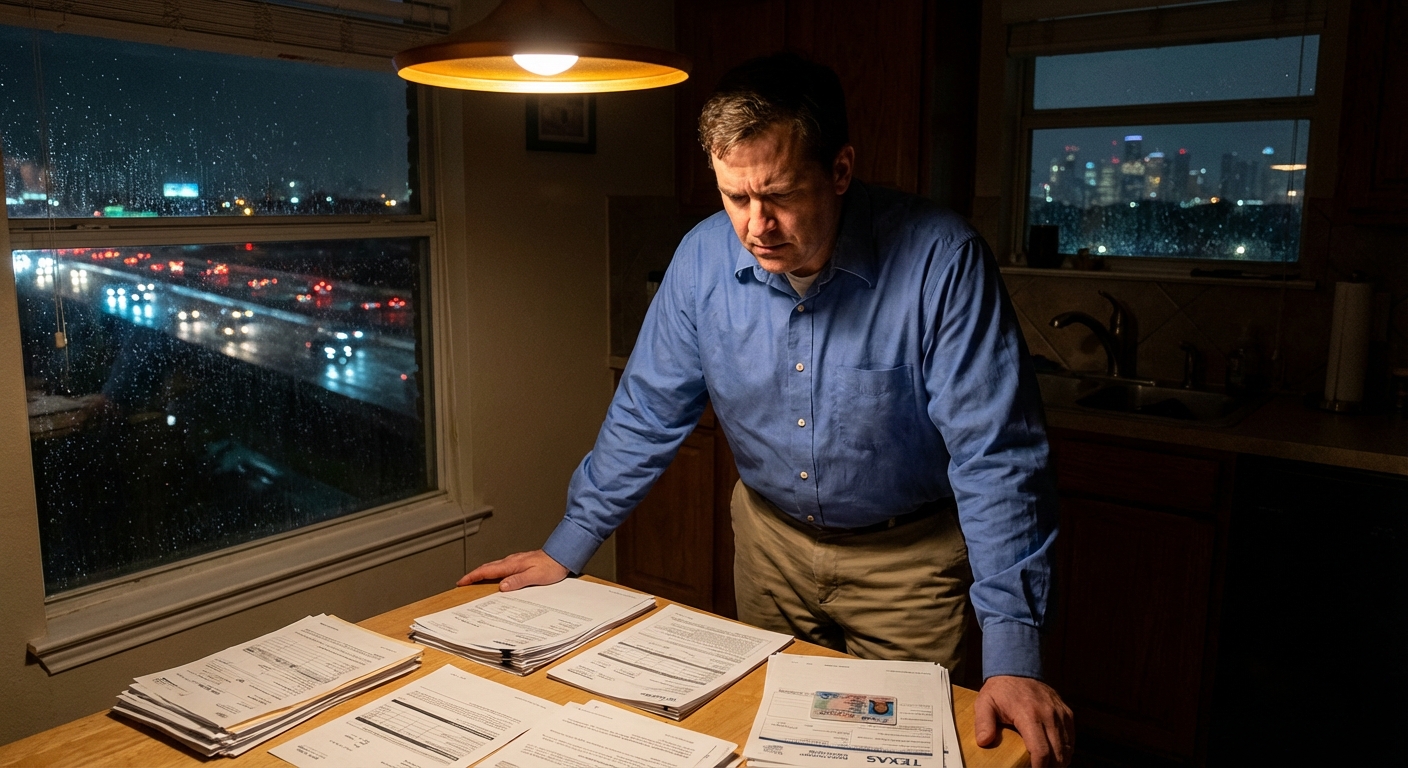
Which State Ranks #1 For Drunk Driving Fatalities And How Close Is Texas?

Which State Ranks #1 For Drunk Driving Fatalities And How Close Is Texas To The Top Of The List? Right now, Texas is at the very top of ...