What To Do In The First 72 Hours After A Texas DWI Arrest
The most important thing to do in the first 72 hours after a Texas DWI arrest is to get organized, protect your license by dealing with the 15 day ALR deadline, and avoid mistakes that can hurt your case or your job. In Houston and across Texas, deadlines start running the moment you are arrested, so a calm, step by step plan in those first few days can make a big difference in your license, your record, and your career.
If you were just released from jail, you are probably tired, embarrassed, and scared about how this will affect your work and your family. This guide walks you through what to do right now, what the ALR 15 day deadline really means, and how to think about your next steps in clear, plain language.
First 72 Hours After A Texas DWI Arrest: Simple Step By Step Checklist
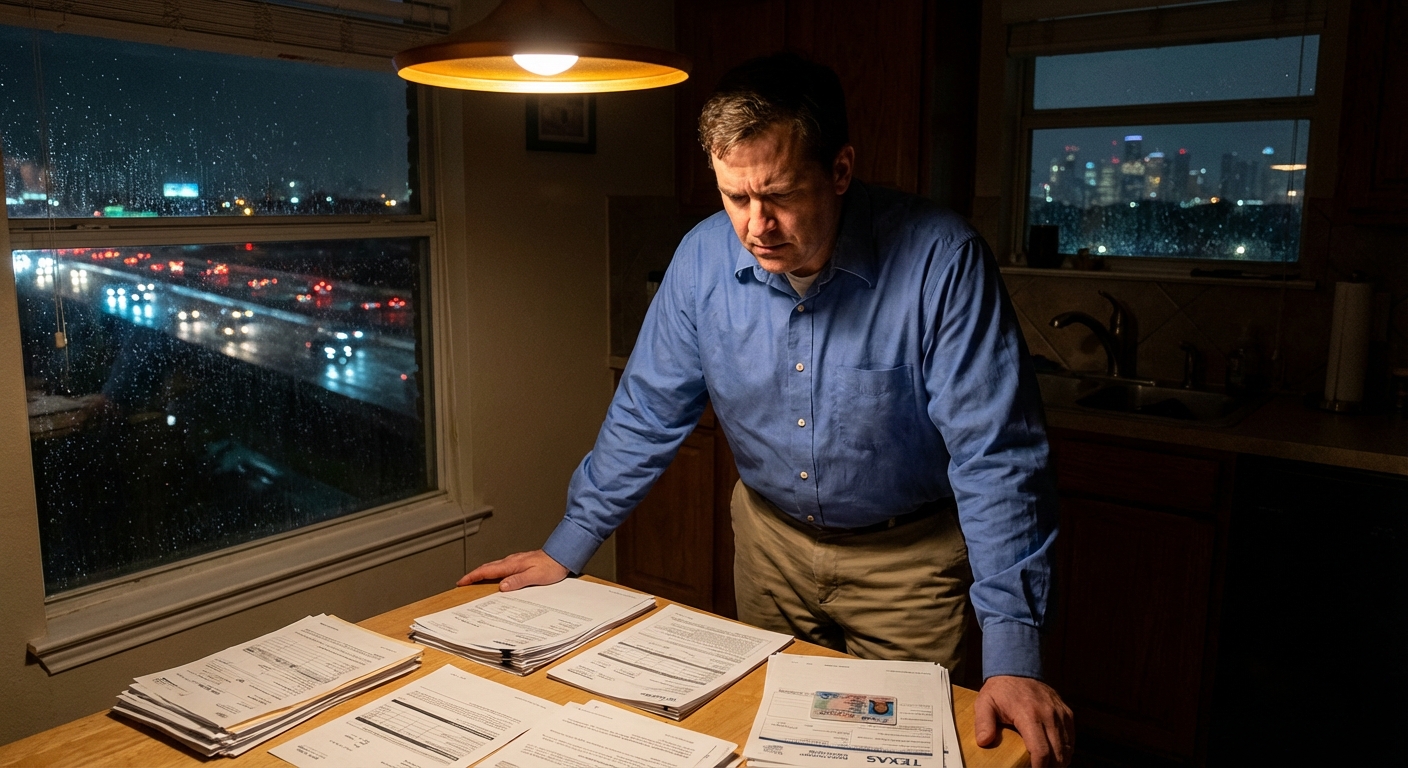
Right now, your brain may be spinning. You might be replaying the flashing lights, the handcuffs, and wondering if your boss will find out. Instead of shutting down, focus on a simple checklist you can work through over the next one to three days.
For a deeper breakdown that you can bookmark, you can also review this immediate 72‑hour and 15‑day action checklist that expands on these first steps.
Also, if you want a more detailed walk through of exactly what to do in those first few days, the Butler site has a practical guide that covers step-by-step actions to take in the first 72 hours after a stop.
Step 1: Safely store all paperwork
Gather everything you received at the jail or during release and put it in one folder. This usually includes:
- The DWI citation or charging document
- Your court date notice
- The temporary driving permit or “Notice of Suspension” (if DPS is trying to suspend your license)
- Bond conditions or restrictions, such as no alcohol or ignition interlock
Take clear photos of each page with your phone. Email them to yourself so you cannot lose them. If you are a provider with early morning shifts, keep this folder somewhere you will see it, not hidden in your truck or at work.
Step 2: Mark your 15 day ALR license deadline
In Texas, you usually have only 15 days from the date of your arrest to request a hearing to challenge your license suspension. If you miss this window, DPS can suspend your license automatically, even before your criminal case is resolved. Set phone calendar alerts for day 10, day 13, and day 15 so you do not forget.
To learn exactly how to request an ALR hearing and protect your license, review that guide as soon as you can. When you are ready to actually submit the request, the Texas Department of Public Safety provides an Official DPS portal to request an ALR hearing online, which many Houston drivers use to get the process started quickly.
Step 3: Protect your work schedule and childcare
Within the first 72 hours, review any upcoming shifts, on call duties, or travel you have in the next 30 to 60 days. Your first court setting in Harris County is often within a few weeks of arrest. Arrange backup coverage or childcare for that day if you can. You do not need to tell your employer everything right now, but you do need to avoid a no show on your first court date.
Step 4: Write down what happened while it is still fresh
Take 15 to 20 minutes in a quiet place and write down your memory of the stop, field sobriety tests, and booking process. Include:
- Where you were coming from and going to
- What the officer said about why you were pulled over
- Any medical issues, fatigue, or work hours that might have affected your balance or speech
- Whether the tests were done on a flat, dry surface and what the weather was like
- What you had to eat and drink and when
This simple “memory log” can be very helpful later, especially if months pass before a trial or hearing.
Step 5: Stop posting and talking loosely about your case
Do not post about your arrest on social media, group chats, or work email. Screenshots last a long time and can be pulled into a case later. You can tell your spouse or a trusted family member what is going on, but keep details off the internet and avoid casual comments around coworkers.
Understanding The Texas ALR 15 Day Rule And Your License
The Administrative License Revocation process, often called ALR, is a separate civil process that deals just with your right to drive. It is different from the criminal DWI case pending in a Harris County court. If you blew over the legal limit or refused a breath or blood test, DPS will try to suspend your license unless you act quickly.
What the 15 day ALR deadline really means
The 15 days are calendar days, not business days, starting from the date you received the suspension notice, usually the date of arrest. If you or a lawyer do not request an ALR hearing within that window, DPS will process your suspension. For a first offense, the suspension can be 90 days or longer, depending on test results or refusals.
You can read the underlying rules in the Texas statute text for Administrative License Revocation, which lays out timelines and consequences for different types of cases.
How to actually request your ALR hearing
There are two common ways to request the hearing:
- Online through the DPS system, using the Official DPS portal to request an ALR hearing, or
- By mail or fax, following the instructions on your notice
If this feels overwhelming, remember that the goal is simple. You just need to get the request in on time and keep a copy or screenshot of your confirmation. Many people handle the initial request within the first few days, then take a breath and decide on next legal steps with more space.
What happens to your license if you miss the 15 day window
If you do nothing, your license can go into automatic suspension on a date listed on your notice. You may still be able to seek an occupational license that lets you drive for work, school, and essential tasks, but you will often face extra cost, paperwork, and restrictions that could have been avoided with a timely ALR request.
For someone who supports a family and needs a clean driving record to keep a route, cover home health visits, or get to shifts across Houston, losing your license even for a few months can create major stress and extra expense.
How A DWI Arrest Threatens Your Job, License, And Finances
For a “Blue-Light Worried Provider” type of reader, the scariest part is often not jail. It is the idea that this one night could snowball into job loss, a damaged professional license, and bills you cannot pay. It helps to understand the main risk areas so you can plan around them.
Criminal case penalties versus real life impact
On paper, a first DWI in Texas is usually a Class B misdemeanor. The law allows for up to 180 days in jail and a fine up to $2,000, or higher if your blood alcohol level was very high or there was a child passenger. In practice, many first offenders in Harris County avoid long jail time if they handle the case well, but the hidden costs run deeper.
You might face higher insurance, court costs and fees, license reinstatement fees, possible classes, and time away from work for court dates or conditions. Over a year or two, the total financial impact can reach several thousand dollars, especially if your license is suspended and you must use rideshares or miss overtime opportunities.
Job and professional license worries
If you work in healthcare, transportation, education, public safety, or hold a commercial driver’s license or other credential, you probably wonder how and when to tell your employer, and what to say. Every employer is different, and some require reporting an arrest or conviction right away. Others only ask about final outcomes.
For more detail on planning those conversations and protecting your long term career path, you can review a related guide on practical steps to preserve employment after arrest. It walks through documenting your performance, preparing for HR questions, and keeping your value visible at work.
Micro story: How early action helped one Houston provider
Consider “Mark,” a mid career Houston respiratory therapist who was arrested for DWI driving home after a late shift. He was released the next morning, exhausted and ashamed. Instead of ignoring the paperwork, he requested his ALR hearing within a week, gathered his pay stubs and work schedule, and documented his clean record at the hospital.
Over the next several months, his case was negotiated, and he kept his license while the ALR case was pending. He missed one shift for court but had arranged coverage, so it did not hurt his evaluations. While every case is different and there are no guarantees, his quick, organized response in those first days helped keep his job and stability intact.
For The Analytical Strategist: Data, Results, And A Clear Game Plan
Analytical Strategist: If you process stress by looking at numbers and strategy, you are not alone. Many mid career professionals in Houston want to know the odds, typical outcomes, and the roadmap before they can breathe again.
Here is one data point that may comfort you. In many Texas urban counties, including Harris, a meaningful percentage of first time DWI cases each year end in dismissals, reductions, or non conviction outcomes. In one recent internal review of DWI files, more than one in three first offenders at a similar risk level saw their charge reduced or resolved in a way that avoided a final DWI conviction on their record. That does not predict your case, but it shows that the system has room for negotiation and improvement when you act early and stay engaged.
A clear game plan typically includes:
- Securing the ALR hearing so your license is not automatically suspended
- Gathering documents such as work schedules, performance reviews, and any medical records that may relate to the stop or tests
- Requesting and reviewing body camera, dash camera, and breath test or blood test records
- Evaluating options like dismissal arguments, reduced charges, pretrial diversion programs, or negotiated outcomes that control risk
If you like charts and lists, you may find it helpful to create your own one page “case dashboard” that tracks court dates, ALR deadlines, and documents received. This structured approach can reduce anxiety and help you discuss your situation more clearly with any legal professional you consult.
For The Status-Conscious Executive: Discretion And Reputation Protection
Status-Conscious Executive: If you are in leadership or manage a team, your biggest fear may be that news of your arrest will spread through the office or your industry. In Houston’s tight professional circles, rumors can move faster than facts.
Discretion can start with the basics. Use a personal email, not your work email, for any DWI related communication. Avoid talking about your case in open spaces like elevators, common areas, or work events. Store paperwork at home, not at the office. When you do consult a Texas DWI lawyer, you can ask specifically about confidentiality practices, how they handle sensitive clients, and what steps they take to keep communication private.
Many professionals at this level also value a “VIP handling” style that emphasizes quiet planning, direct updates, and limited exposure at court settings where possible. While no lawyer can erase the fact that a case exists, strong privacy practices and focused scheduling can reduce how visible the process is in your work and social circles. For more nuanced questions about timelines, collateral consequences, and privacy, you might benefit from an interactive Q&A resource for common DWI questions and timelines that lets you explore scenarios without sharing personal details.
For The Elite Damage-Control Reader: Control, Access, And Confidentiality
Elite Damage-Control: Some readers approach a DWI the way they would handle a serious business crisis. You may be used to having direct access to decision makers, rapid responses, and clear control over messaging.
In the DWI context, that usually means prioritizing:
- Direct, predictable access to the person handling your case
- Simple, secure channels for sharing documents and receiving updates
- Careful coordination around court dates to protect critical work and travel
- Strict confidentiality around your name and details
Texas law protects private communications with your attorney, and reputable DWI practitioners maintain secure files and limit who can see your information. If you are used to NDAs and confidential projects, it is reasonable to ask how your legal team keeps DWI matters equally private and under control.
For The Carefree Young Adult: A Reality Check On DWI Costs And Deadlines
Carefree Young Adult: If you are reading this because you or a friend picked up a DWI after a night out and it still feels unreal, it is important to realize how serious the ripple effects can be, even on a first offense.
Many younger drivers in Houston make one big mistake. They assume “everybody gets DWI at some point” and that it will just go away. In reality, a Texas DWI can stay on your record permanently, affect future job and apartment applications, and cost several thousand dollars in fines, fees, insurance, and lost opportunities over time. Missing the 15 day ALR deadline alone can trigger a license suspension that makes getting to class, work, or family events much harder than expected.
Common Misconceptions About A First DWI In Texas
When you are exhausted and scared, it is easy to fall for myths that feel comforting in the moment. Correcting a few of the most common can help you make better choices in those first 72 hours.
Misconception 1: “It is just a first offense, so it will not follow me.”
Many people believe a first DWI will fall off their record like a speeding ticket. In Texas, that is not true. A DWI arrest and conviction can remain on your record indefinitely, and even if your case is reduced or dismissed, background checks may still pick up the history unless it is sealed or handled through other legal processes.
Misconception 2: “If I ignore the ALR notice, it will sort itself out.”
Some drivers think the ALR notice is just another piece of paper and that the criminal court will handle everything. In reality, ALR is its own process under Texas law. If you do not request a hearing within 15 days, your license can be suspended automatically, regardless of what eventually happens in the criminal case.
Misconception 3: “My job will never find out if I stay quiet.”
While some employers may never become aware of a DWI arrest, others run regular background checks, receive notices related to professional licenses, or simply hear news through co workers and social media. Planning for the possibility of disclosure and preparing what you will say often gives you more control than hoping it never comes up.
How Texas DWI Penalties And Timelines Typically Work
Understanding the basic structure of a Texas DWI case can make the process feel less mysterious. While each county has its own procedures, the broad outline is similar across Houston, Harris County, and nearby areas.
Typical penalty ranges for a first Texas DWI
For many first time DWI cases without accident or injury, the legal range is:
- Class B misdemeanor if your blood alcohol level is under 0.15
- Up to 180 days in jail and up to a $2,000 fine
- Possible probation instead of jail, with conditions like classes, community service, and no new offenses
- License suspension through DPS, usually 90 days to 1 year, depending on test results or refusals
If your blood alcohol level is 0.15 or higher, the charge can be enhanced, with higher potential fines and consequences. If there was a child passenger, accident, or injury, the stakes and classification can rise quickly, sometimes into felony territory.
Basic timeline from arrest to resolution
While cases vary, many Houston area DWI cases follow this basic timeline:
- Day 0: Arrest, booking, and release, often with a temporary license and court date
- Days 1 to 15: First 72 hours of organization, ALR hearing request window, early planning
- Weeks 2 to 6: First court setting, early discovery, initial review of evidence
- Months 2 to 6 or more: Ongoing negotiations, motions, possible ALR hearing and occupational license requests
- Final stage: Case resolution through dismissal, plea agreement, diversion, or trial, followed by any record clearing options that may apply
Knowing that these stages can stretch over months helps you pace yourself. You do not have to solve everything in the first 72 hours, but you do need to take the first few steps on time, especially around your license.
Practical Ways To Protect Your Career And Family Stability
If you are the main provider for your household, the main goal is simple. You want to keep your job, protect your ability to drive to work, and limit the financial damage as much as possible.
Document your value at work
Even before you decide how and when to tell a supervisor, you can quietly gather:
- Recent positive performance reviews
- Emails that highlight your contributions or reliability
- Proof of overtime, extra shifts, or leadership roles
Having these in one place can help if HR questions come up later or if you need to show that this incident is out of character compared to your long record of dependable service.
Build a short term budget and damage-control plan
Within the first week, look honestly at your finances. Ask yourself:
- How much can I set aside each month for court costs or classes if needed
- What non essential expenses can I cut for a few months if my insurance or travel costs rise
- Do I have access to savings or support if I lose overtime or second job hours for a while
This does not mean you will face all of these costs, but seeing the numbers can reduce the fear of the unknown and keep you from overreacting to rumors or worst case stories from friends.
Keep your family informed at a simple, age appropriate level
If you have children, you may not want them to know every detail, but sudden changes in schedule, mood, or finances can confuse them if you say nothing. A short, calm explanation that you are dealing with a legal issue and that you are working on it can be enough. For your spouse or partner, sharing the key deadlines, including the ALR 15 day window, can help them support you rather than just worrying in the dark.
Frequently Asked Questions About The First 72 Hours After A Texas DWI Arrest
What should I do first after getting out of jail for a DWI in Houston?
In the first 24 hours, focus on three things. Safely store and photograph all your paperwork, including your court date and any temporary license. Mark your ALR 15 day deadline on your calendar with reminders. Then write down everything you remember about the stop, tests, and booking while it is still fresh, so you do not lose important details over time.
How long do I have to request an ALR hearing in Texas?
In most Texas DWI cases, you have 15 calendar days from the date you received the suspension notice, usually the date of arrest, to request an ALR hearing. If you miss this window, your license can be suspended automatically by DPS, even if your criminal case is not finished. That is why it is important to act on the ALR notice within the first week, not wait until the last minute.
Will my employer in Houston find out about my DWI arrest?
Not every employer learns about a DWI arrest, but many do through background checks, professional license boards, or simple word of mouth. Some jobs require you to report arrests or convictions, while others only ask about final outcomes. It is smart to review your employee handbook, gather proof of your good performance, and plan what you would say if your supervisor or HR asks about the situation.
Can I still drive to work after a first DWI in Texas?
After a first DWI arrest, you can usually keep driving for a limited time using your temporary permit, as long as there is no court or bond condition saying otherwise. If DPS moves forward with a suspension and you did not successfully challenge it, you may be able to seek an occupational license that lets you drive to work, school, and essential tasks. Handling the ALR process in the first 15 days gives you a better chance of avoiding surprises and protecting your driving privileges.
How long will a DWI stay on my record in Texas?
A Texas DWI can stay on your criminal record permanently unless it is resolved in a way that allows for sealing or other legal relief, which is not available in every case. This is very different from a simple traffic ticket that might drop off over time. Because the record can last so long, the early choices you make in those first weeks after arrest can influence how this affects your future job and housing applications.
Why Acting Early After A Texas DWI Arrest Matters
When the flashing lights and booking photos are still fresh in your mind, it is tempting to shut down and avoid thinking about the case. That reaction is human, but it can make things harder later. Acting early does not mean you must have every answer or make every decision in the first few days. It simply means you protect your license, gather key information, and avoid easy mistakes.
If you are a mid career provider in Houston, your patients or clients will still need you tomorrow. Your family will still need your paycheck and presence. Taking a few clear steps in the first 72 hours, especially around the ALR 15 day deadline, gives you a much better chance to keep driving, keep working, and move through the process without letting this one night define the rest of your life.
For readers who still feel “unaware” of how serious this can become, remember that a first Texas DWI can cost thousands of dollars over time, stay on your record for years or longer, and restrict your ability to drive if you miss key deadlines. Treat these first few days as a short window to steady the ship, learn your options, and protect the job and family you have worked hard to build.
For a concise visual guide to many of these same points, you can watch a short walkthrough from a Houston DWI attorney that explains what to do immediately after a Texas DWI arrest, how the ALR process works, and how early steps can help protect your case and your ability to work.
Butler Law Firm - The Houston DWI Lawyer
11500 Northwest Fwy #400, Houston, TX 77092
https://www.thehoustondwilawyer.com/
+1 713-236-8744
RGFH+6F Central Northwest, Houston, TX
View on Google Maps


No comments:
Post a Comment