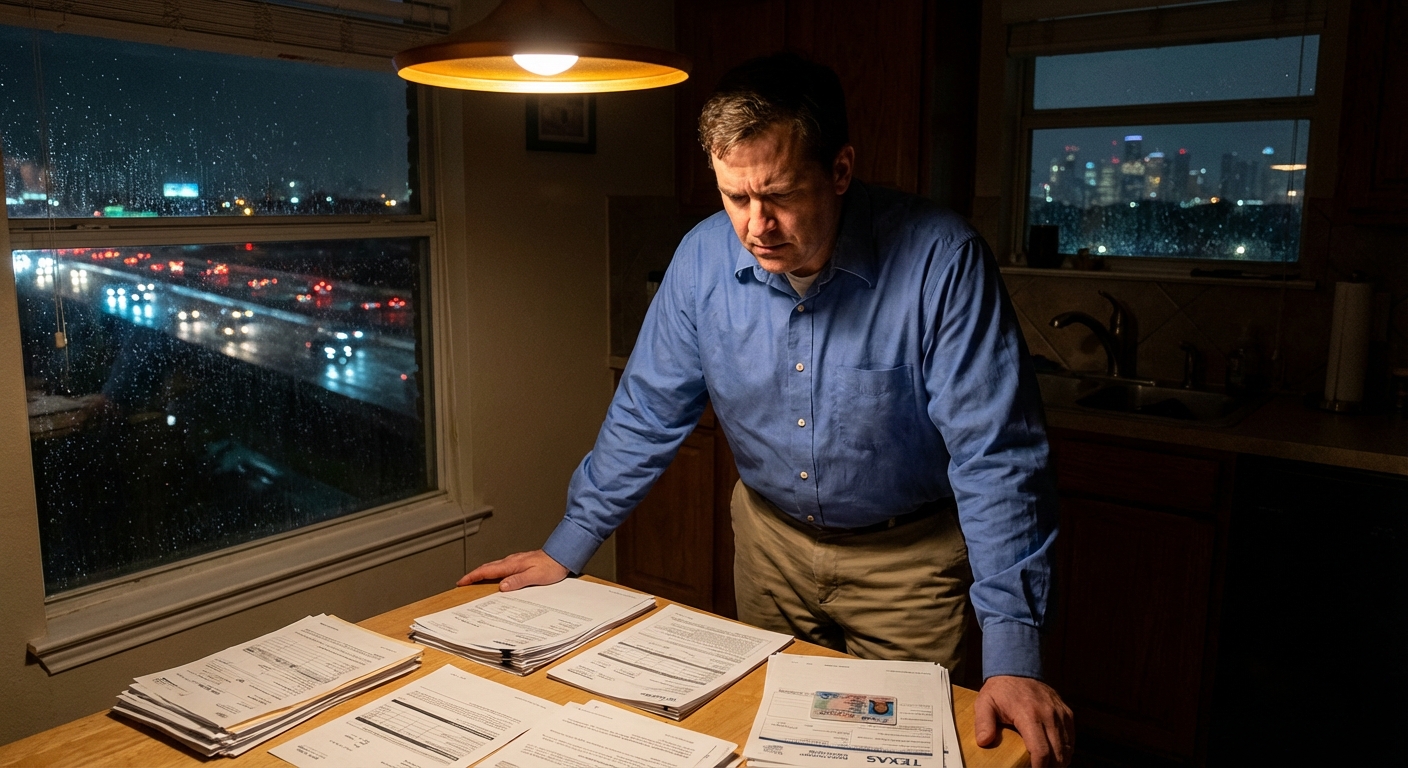
Houston DWI Aftermath Checklist: How To Protect Your License, Job, And Future In The First 15 Days
If you were just arrested for DWI in Houston and you are scared of losing your license and job, your first 15 days are critical because that is usually your only chance to fight an automatic license suspension and start building a defense. In plain terms, you must track deadlines, protect your right to drive, and avoid mistakes that can hurt your case later. This guide walks you step by step through what to do in Houston and across Texas so one bad night is less likely to derail your work, income, and family life.
Picture this like a construction project schedule. You would not wait until the last week to order materials or pull permits. A Texas DWI is the same. There are tight timelines, paperwork, and hearings that all affect whether you keep driving to work and how bad the long term damage is.
First 24 Hours After A Houston DWI Arrest: The Calm, Clear Checklist
Right now, you may feel shame, panic, or anger. You might be replaying the traffic stop in your head and wondering if this will cost you your job on the next background check. Focus on the next 24 hours. These early steps are simple and can make a real difference later.
Step 1: Write Down Everything You Remember
As soon as you get home and have a quiet moment, sit down with pen and paper or a phone note. Record what happened that night in order.
- Where you were coming from and going to
- Time you were pulled over and location in or around Houston or Harris County
- What the officer said was the reason for the stop
- Whether you did field sobriety tests and how you felt doing them
- Whether you gave a breath or blood sample, or refused
- Any medical issues, injuries, or fatigue that might have affected you
Details fade fast, sometimes within a day or two. If you are a project manager like Mike, think of this as preserving your job site notes while everything is fresh.
Step 2: Gather Your Paperwork And License Notice
Look for any paperwork the officer handed you at the station or jail. In many Texas DWI cases, if your license was taken, the officer gives you a temporary permit and a notice about the Administrative License Revocation, often called ALR. This paper is your warning that DPS plans to suspend your license unless you request a hearing by the deadline.
Put all documents in one folder so you are not scrambling later. Keep your booking sheet, citation, bond paperwork, and any property receipts together.
Step 3: Mark Your ALR 15 Day Deadline
Most Texas drivers have only 15 days from the date they receive the notice to request an ALR hearing to fight the automatic suspension. That deadline is strict. There are very few exceptions. If you miss it, DPS can suspend your license even if your criminal DWI case is still pending or later gets dismissed.
Set phone reminders for a few days before the deadline. For a more detailed walk through, many Houston drivers find it helpful to read about how to request an ALR hearing in 15 days and see how it fits with the rest of the legal process.
Step 4: Learn What To Do After The Traffic Stop
Your next steps after a DWI stop and arrest can affect both your license and your case. If you want a simple breakdown, review step-by-step actions to take after a DWI traffic stop so you know what to expect if you are ever pulled over again and what to avoid saying in future interactions.
If you are like Mike, you do not want lectures, you want a checklist. This article is built for that. Keep reading for the license timeline, job and HR risks, and how the Houston court process usually unfolds in the first few months.
Understanding The Texas ALR Process And Your 15 Day License Deadline
The biggest shock for many Houston drivers is that Texas can suspend your license before you ever see a criminal court judge. This happens through the Administrative License Revocation system handled by the Texas Department of Public Safety, not the criminal court.
What Triggers An ALR Case In Texas
In most DWI arrests, DPS opens an ALR file if:
- You refused a breath or blood test after being read the Texas implied consent warnings
- You gave a sample and it came back at or above 0.08 BAC
If you refused testing or had a high test, DPS will move to suspend your license unless you request an ALR hearing on time. Some drivers also want to review the Texas implied-consent statute on chemical testing to understand what officers must explain and what happens after refusal or failure.
How To Request An ALR Hearing In Time
You generally have 15 days from the date you receive the suspension notice to request a hearing. Many people do this through an attorney, but you can also use the official DPS site. For example, you can visit the Texas DPS portal and follow the instructions to Request an ALR hearing (Texas DPS portal).
For a more detailed explanation written for Houston drivers, you can also review how to request an ALR hearing and protect your license so you understand what information has to be submitted and what happens after the request.
ALR Hearing Outcomes And Why They Matter For Your Job
At the ALR hearing, the main question is whether the officer had a valid reason to stop, detain, and arrest you, and whether proper warnings were given before testing. Possible outcomes include:
- Suspension upheld. Your license is suspended for a set period. For a first time failure, this can be around 90 days. For a refusal, it can be around 180 days or longer if you have prior entries.
- Suspension denied. You keep your normal license, at least for this DWI incident.
If you drive to job sites around Houston or manage crews across Harris and surrounding counties, losing your license can threaten your income. In some cases you may be able to get an occupational license so you can drive for work, school, and essential household duties, but this takes planning and court orders.
Texas DWI Penalties And Real Financial Costs
Many people worry most about jail, but for a mid career professional like Mike, the bigger hit is often money, time off work, and long term record damage. Even a first DWI in Texas can carry a mix of fines, fees, and indirect costs.
Typical Penalties For A First Time DWI In Texas
Penalties can vary but many first offense DWI cases in Texas include some mix of:
- Possible jail time, often with options like probation depending on the facts and record
- Fines that can reach into the thousands of dollars
- Court costs and supervision fees
- Mandatory alcohol education classes
- Community service hours that you must schedule around work
- License suspension or restricted driving
On top of legal penalties, one national estimate shows a single DWI can easily cost over ten thousand dollars when you add towing, bond, increased insurance, classes, and lost workdays. That number alone should wake up a Carefree Young Adult (Kevin) who might think a DWI is just “a ticket.” It is not just a fine. It touches nearly every part of your life.
How A DWI Can Affect Insurance, Credit, And Family Budget
Your car insurance may jump for several years after a DWI. Some drivers see premiums double. If you already budget carefully for a mortgage, childcare, or college savings, that extra monthly payment can squeeze your finances for a long time.
Missed work for court, classes, or community service can also cause unpaid days or lost overtime. For someone managing construction projects, that might mean less bonus pay or a slower path to promotion compared to coworkers with clean records.
Protecting Your Job, License, And Professional Reputation
For many Houston professionals, the biggest fear is not just the fine. It is the thought of sitting in an HR office, explaining an arrest, or losing a hard earned license or certification. This section focuses on work related risks and what you can do to limit the damage.
Job And HR Concerns For Working Professionals
Every employer is different. Some companies require you to report any arrest within a set number of days. Others only ask about convictions. Review your employee handbook or HR policies as soon as possible so you are not surprised later.
For a foreman or project manager, even one lost driving privilege can trigger hard questions about whether you can still reach job sites on time or meet with clients. If you face this, it can help to have a clear plan that shows you are taking the case seriously, following court orders, and staying reliable at work. Many readers appreciate extra guidance on practical steps to limit job and income disruption so they can protect both their paycheck and long term career.
Nurse Professional (Elena): Licensure, HR, And Childcare Logistics
If you are a nurse or other licensed healthcare worker, a DWI can create extra layers of stress. You may worry about reports to your licensing board, background checks for renewals, or HR investigations at the hospital. Texas DWI law interacts with professional rules in complex ways, which is why many nurses want to know exactly what must be reported and when.
Childcare can also become tricky. Court dates, ALR hearings, and possible license limits all affect how you get children to daycare, school, or medical appointments. Planning ahead for rides, carpools, or adjusted shifts can reduce last minute chaos and show both your employer and the court that you are handling your responsibilities with care.
Analytical Strategist (Ryan) And Data-Driven Planner (Daniel): A Brief Evidence And Outcome Snapshot
If you want numbers and process, here is a short data snapshot and typical timeline.
- ALR deadlines. In many cases you get 15 days from the date of notice to request a hearing, and the temporary permit often lasts about 40 days unless extended by the hearing process.
- Court timeline. Many first offense DWI cases in Houston take several months, sometimes 6 to 9 months, from arrest to final resolution, depending on discovery and settings.
- Common outcomes. Outcomes range from dismissal, reduction to a different charge, or a negotiated DWI resolution. Exact results depend on the stop, tests, video, prior record, and any legal errors.
For planners like Ryan and Daniel, having even a rough timeline can lower anxiety. You know when key decisions happen and can set reminders like you would for any high stakes project.
High-Stakes Executive (Jason) And Elite Confidential Client (Chris): Privacy And Discretion
If you hold a visible position or manage a large team, you may be most worried about your name appearing in online records or gossip in your industry. While Texas records are often public, there are still ways to manage risk. These can include careful handling of who is informed at your company, use of limited disclosure when possible, and close attention to what appears on background checks after the case ends.
Executives and high profile clients often place a premium on discretion, direct communication with senior legal help, and understanding how different case outcomes might appear to boards, investors, or licensing bodies. Whatever your role, you deserve clear information and respectful privacy throughout the process.
Texas DWI Court Process In Houston And Nearby Counties
Once you are released from jail, the criminal DWI case moves forward in the local county court. In Harris County and nearby counties, the process follows a general pattern, though every case is unique.
Arraignment And First Settings
Your first court date is often called arraignment or a first setting. At this hearing:
- The judge or court staff confirms the charge filed against you
- You are reminded of your rights and obligations
- Future court dates are set for discovery, negotiations, or motions
Missing this date can lead to a warrant. If you manage large crews, you know how damaging a surprise absence can be. Put every court date on your work calendar and plan ahead with supervisors when possible so you avoid last minute conflicts.
Discovery, Videos, And Evidence Review
The heart of a DWI case is evidence. This often includes:
- Police reports and narrative
- Dash camera or body camera footage
- Breath or blood test records
- Maintenance and calibration logs for testing equipment
Problems in any of these areas can create defense options. For example, if the stop lacked a proper legal basis, if field tests were done on uneven ground at a road construction site, or if lab procedures were not followed, those issues can matter. This is why preserving your own memory notes from the first day is so important.
Negotiations, Motions, And Possible Trial
Most DWI cases do not go to trial, but some do. Between arraignment and final resolution, there may be:
- Motions to suppress evidence or challenge the stop or arrest
- Negotiations about possible reductions or agreed terms
- Discussions about programs, classes, or conditions
For a person like Mike, who just wants to keep working and caring for family, the goal is often a path that limits long term harm, keeps you driving when possible, and avoids surprises in the courtroom.
Common Texas DWI Myths That Can Hurt Houston Drivers
Misunderstandings about DWI law can lead smart people to make bad choices. Here are a few myths to avoid.
Myth 1: “If I Ignore The Paperwork, It Will Work Itself Out”
In reality, if you ignore your ALR paperwork and do not request a hearing within 15 days, your license can be suspended automatically. This can happen even if your criminal case has not started or you later beat the criminal charge. The ALR system is separate and has its own rules and deadlines.
Myth 2: “First DWI Means I Will Lose My Job For Sure”
While a DWI can create serious employment risk, it does not always mean automatic firing. Many employers look at whether you told the truth, followed court orders, kept your performance strong, and handled the situation with maturity. There is a big difference between hiding problems and owning them while actively working to fix them.
Myth 3: “If I Blew Over 0.08, There Is Nothing To Do”
Breath or blood test results are important, but they are not the whole story. Issues with the stop, the way tests were given, or the handling of samples can still create defenses or leverage for better outcomes. Do not assume that one number on a printout ends the case.
Realistic Outcomes And What “Success” Can Look Like
Every Texas DWI case is different, but there are some patterns in how outcomes can vary. For someone in Mike’s shoes, “success” often means less long term damage rather than a perfect win.
Possible Paths In A Texas DWI Case
Depending on the facts, history, and evidence, some possible outcomes can include:
- Case dismissal for legal or evidentiary reasons
- Reduction to a different charge with lighter long term impact
- An agreement that limits jail time, manages fines, and structures classes or supervision so you can still keep working
- Occupational license or other driving relief that lets you continue supporting your family
None of these are guaranteed. The key point is that your early actions, including meeting deadlines and preserving evidence, can expand your options instead of shrinking them.
A Short Micro Story For Someone Like Mike
Imagine a 35 year old construction project manager in Harris County. He is arrested for DWI after a late dinner meeting. He feels like his life is over. Within two days, he writes down what happened, gets his paperwork together, and requests an ALR hearing before the 15 day deadline. At the hearing, issues with the stop and the way warnings were given come to light, and the proposed license suspension is denied.
In criminal court, the video and test results are reviewed in detail. There are still consequences, but he ends up with a result that lets him keep working, maintain a limited license during a restricted period, and show his employer that he is following every requirement. His life is not easy, but that one night does not end his career.
Step By Step Texas DWI Aftermath Checklist
To make this easier, here is a simple checklist you can print or save. Check off each step as you complete it.
Within 24 Hours
- Write down everything you remember about the stop, tests, and arrest
- Collect all paperwork in one folder
- Mark your ALR 15 day deadline on your calendar and phone
Within 3 To 5 Days
- Review your employer’s handbook or HR policies about arrests
- List any professional licenses you hold and check their reporting rules
- Start planning transportation in case your license is limited or suspended
Within 15 Days
- File your ALR hearing request or have it filed on your behalf
- Confirm your temporary license dates and any conditions
- Prepare for upcoming court dates and arrange time off work as needed
If you like having more detailed written guides for each step, the long form article on how to request an ALR hearing and protect your license pairs well with this checklist and gives deeper background on the specific ALR forms and process.
Why Acting Early Matters More Than Being Perfect
There is one clear stance that runs through this entire guide. Acting early usually helps you more than obsessing over small details. In Texas DWI cases, missing the 15 day ALR deadline can hurt you just as much as anything that happened on the roadside because it takes away options to drive legally.
You do not have to know every legal rule today. You do need to stay on top of dates, keep honest records, and avoid ignoring court papers out of shame or stress. If you do that, you give yourself and your family a better chance at a stable future.
Practical FAQs About Your Houston DWI Aftermath Checklist
How long does a DWI stay on my record in Texas?
In many cases, a DWI conviction in Texas can stay on your criminal record permanently unless it is handled in a way that allows limited relief under the law. That is why the decisions made early in your case can matter for years, including background checks for jobs or housing. Some non conviction outcomes may offer more protection, but they still carry real conditions and limits.
Will my Houston employer find out about my DWI arrest?
Some employers find out because you report the arrest yourself, which may be required by company policy. Others discover it later through routine background checks or license monitoring. Reading your handbook and planning how to explain the situation calmly and honestly can help reduce damage to your job and reputation.
Can I still drive to work in Texas if my license is suspended after a DWI?
In some cases, you may be able to seek an occupational license that lets you drive to work, school, and essential duties, even while under suspension. This often requires a court order, proof of insurance, and limits on when and where you can drive. It is important not to drive illegally during a suspension because that can lead to new charges and more severe penalties.
What happens if I miss my Texas ALR 15 day deadline?
If you miss the ALR hearing request deadline, DPS can usually move forward with suspending your license without a hearing. That means fewer chances to challenge the stop, the arrest, or the test results on the administrative side. You will still have your criminal case, but the separate license process may be much harder to fix.
How much will a first DWI really cost me in Houston?
Costs vary widely, but by the time you add towing, bond, court costs, supervision fees, classes, increased insurance, and lost work time, many people see the total cost reach or exceed several thousand dollars. Planning ahead for these expenses and cutting other optional spending can make the process less overwhelming for your household budget.
Closing Guidance: Why The First 15 Days After A Houston DWI Matter So Much
The days right after a DWI arrest in Houston or Harris County can feel like a blur. You might want to forget the whole thing and hope it disappears. The truth is that your choices in this short window have long term impact on your license, job, and family stability.
Focus on a few key actions. Mark your ALR deadline, keep all paperwork in one place, and plan for court dates and transportation. If you are a planner, you might also like using an interactive DWI tips and Q&A resource for quick follow-up so you can explore common questions in more detail at your own pace.
Whether you are a project manager, nurse, executive, or young professional, the goal is the same. Protect your ability to work, support your family, and move forward with as little permanent damage as possible. Staying informed and acting before deadlines pass is one of the most powerful tools you have.
For those who prefer learning by video, this short explainer shares immediate steps after a Texas DWI arrest and walks through a practical action checklist for the first 24 to 48 hours, including ALR deadlines, how the process works in Houston, and ways to protect your job and license.
Butler Law Firm - The Houston DWI Lawyer
11500 Northwest Fwy #400, Houston, TX 77092
https://www.thehoustondwilawyer.com/
+1 713-236-8744
RGFH+6F Central Northwest, Houston, TX
View on Google Maps


No comments:
Post a Comment