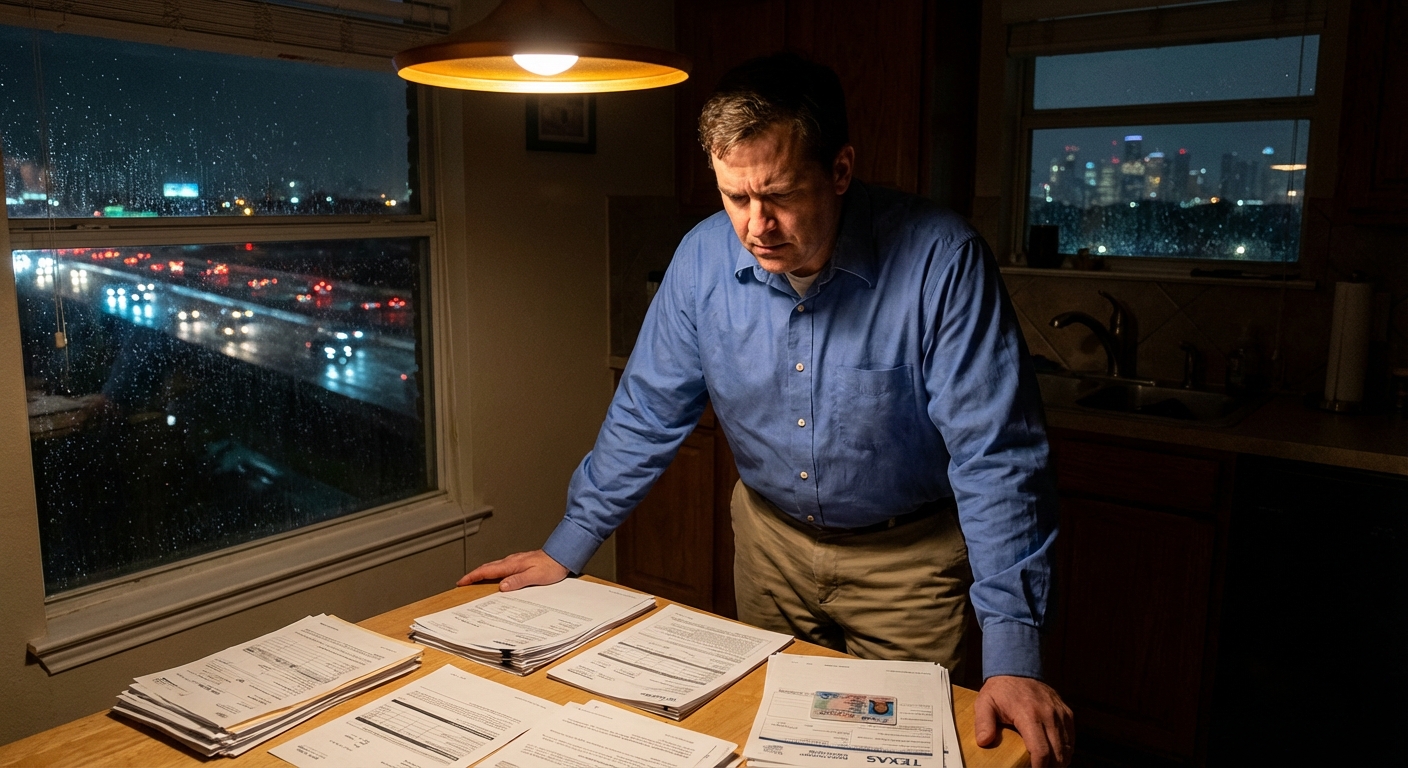
Houston DWI Arrest: 15‑Day ALR Deadline, Job Risk, and What To Do In The First 72 Hours
If you were just arrested for DWI in Houston, the most important thing to know is that you have only 15 days from the date of your arrest to request a license hearing or your Texas driver’s license will be automatically suspended. In those same first few days, key evidence is set, your court case is opened, and decisions you make can have a big impact on your job, your record, and your finances. This guide walks you through what happens next, how the 15‑day ALR deadline works, and what you can realistically do in the first 72 hours to protect your license and your ability to keep providing for your family.
We will focus on what a mid‑career provider in the Houston area needs most: clear steps, plain English, and realistic expectations about your Texas DWI case, from the license suspension process to possible defenses.
First Things First: What Your Houston DWI Arrest Really Means For Your Job And License
Right now, you are probably replaying the arrest in your head and wondering if this one mistake will cost you your career. For a construction manager or other provider who drives to job sites, meetings, and family commitments, a Texas DWI arrest is not just a ticket, it is a criminal charge that triggers both a court case and a separate driver’s license case.
Here is the basic breakdown in Texas, including Harris County and surrounding counties:
- Criminal case: The State of Texas charges you with DWI in a county criminal court. This can lead to fines, probation, or even jail, plus a criminal record.
- Administrative License Revocation (ALR) case: The Texas Department of Public Safety starts a separate process to suspend your driver’s license. This is where the 15‑day deadline comes in.
- Job risk: Employers often run background checks or notice missed work for court. Certain safety‑sensitive positions care a lot about any DWI on your record.
Many people believe that “if it is my first DWI, I will just pay a fine and move on.” That is a common misconception. A first DWI under Texas law can still mean up to 180 days in jail, fines up to $2,000 plus thousands in surcharges, and a license suspension that makes it hard to get to work.
The 15‑Day ALR Deadline: How To Protect Your Texas Driver’s License
If you took or refused a breath or blood test, Texas implied consent law allows DPS to try to suspend your license. Under Texas statute on implied consent and chemical testing, drivers are warned that refusing or failing a test can lead to an automatic suspension unless they act quickly.
For most Houston DWI arrests, this is how the ALR timeline works:
- You are arrested for DWI and given a temporary driving permit form if your license is taken.
- From the date of the arrest, you have 15 days to request an ALR hearing.
- If you do not request it on time, your license suspension normally kicks in about 40 days after the arrest.
To actually request that hearing, you or your lawyer must contact DPS on time. The fastest way is to use the Official DPS ALR hearing request and deadline page, which explains the options for requesting a hearing online, by mail, or by fax.
If you need a step‑by‑step walkthrough of the process, including what information DPS will ask for and what the hearing itself looks like, you can review How to request an ALR hearing in Texas, which breaks down the forms and deadlines in detail.
Because your job and commute likely depend on your license, you cannot treat this as optional. Missing the ALR deadline is one of the most expensive mistakes people make after a DWI arrest in Harris County.
How the ALR Deadline Connects To Your Job And Commute
If your license is suspended and you cannot get an occupational license in time, you may miss work, lose job sites, or be forced to rely on coworkers or family just to get to your projects. For a provider who is already worried about paying the mortgage, this can be devastating.
There is good news, however. In many first‑offense cases, your lawyer may be able to help you fight the suspension or arrange an occupational license so that you can still drive for essential purposes such as work and family obligations. For a deeper explanation of the 15‑day deadline, hearing strategy, and occupational license options, you can read how to meet the 15‑day ALR deadline to keep driving.
Your First 72 Hours After A Texas DWI Arrest: A Simple Action Checklist
The first three days after your arrest are usually the most stressful. You might be back at work in Houston trying to act normal while inside your mind is racing. This is where having a simple checklist helps.
Day 1: Get Your Bearings And Gather Documents
- Locate your paperwork: Find your DWI citation, bond paperwork, and any temporary driving permit.
- Write down what happened: As soon as you can, jot down your memory of the stop, field tests, and conversations with the officer.
- Check the arrest date: Count 15 calendar days from that date so you know your ALR deadline.
- Tell a trusted person: Let your spouse or a close family member know what happened so you are not carrying this alone.
Having these details ready helps any Texas DWI lawyer quickly see where there may be defenses or procedural issues.
Day 2: Protect Your License And Calendar Your Court Date
- Confirm your first court setting: Your paperwork will list a date, time, and court in Harris County or another local county.
- Mark your ALR deadline: Put a reminder in your phone three days before that 15‑day date so you cannot miss it.
- Start the ALR process: Use the DPS portal or work with a lawyer to request your hearing before the deadline.
- Think about your job schedule: Note any work trips, shift work, or key meetings that might conflict with court dates so you can plan ahead.
Day 3: Get Legal Guidance And Map Out A Strategy
- Consult a Texas DWI lawyer: Share your paperwork, your written memory, and any concerns about your job or professional license.
- Ask about both cases: Be sure you understand the criminal case in court and the ALR case with DPS.
- Discuss license options: Ask whether an occupational license might be available if DPS suspends your license.
- Plan your budget: List expected costs such as towing, bond, fines, classes, and increased insurance so you know what to expect.
If you want a more detailed, step‑by‑step guide tailored to Houston drivers, see this exact 72‑hour checklist to preserve your license and job which expands on these early decisions.
For a broader overview of what to expect after your first DWI, including possible penalties and defenses, it can also help to read What to do after a Texas first-offense DWI so you can see where your case fits in the bigger picture.
Realistic Outcomes: Penalties And Consequences Of A Texas First‑Offense DWI
Knowing the range of possible outcomes can lower anxiety because it turns a vague fear into something concrete you can plan around. In Texas, a standard first‑offense DWI (no serious injury and a blood alcohol concentration under 0.15) is usually a Class B misdemeanor.
Typical penalty ranges under Texas law include:
- Jail: 3 to 180 days possible, although many first‑offenders receive probation instead of jail time.
- Fines: Up to $2,000 in criminal fines, plus possible state surcharges and court costs that can add thousands over time.
- License suspension: 90 to 365 days from DPS, depending on whether you refused or failed chemical testing.
- Other conditions: DWI education classes, community service, ignition interlock, or alcohol evaluations.
On top of that, employers in Houston often care about reliability, safety, and insurance. A DWI on your record can affect promotions, project assignments, or ability to drive company vehicles. If you manage crews or travel between multiple sites, any interruption in your driving can ripple into job performance reviews.
A Common Houston Scenario For A Provider Facing Job Risk
Consider a mid‑career construction manager in Harris County who is pulled over leaving a client dinner. He blows a 0.11, is arrested, and his license is taken. He is released on bond, has court in three weeks, and is handed a temporary driving permit. At first he is sure his career is over.
He contacts a DWI lawyer within a few days, requests his ALR hearing on time, and his lawyer obtains the police video and breath test records. The lawyer finds issues with how the field sobriety tests were explained and how the traffic stop was justified. After negotiations, the case is reduced, he receives probation, and an occupational license allows him to keep driving to job sites with some conditions.
This is not a guarantee of any outcome, but it shows how acting early, requesting hearings, and building a defense can lead to a better result than many people fear on the night they are arrested.
Key Defenses And Strategy Points In Texas DWI Cases
Every case is unique, but there are common areas where a Texas DWI can be challenged. Knowing these can help you ask sharper questions when you talk with a lawyer.
- The traffic stop: Did the officer have a valid reason to pull you over, such as a traffic violation or specific driving behavior, or was it questionable.
- Field sobriety tests: Were the tests explained and demonstrated correctly, and were they conducted on a safe, level surface.
- Breath or blood testing: Were proper procedures followed for calibration, chain of custody, and observation periods.
- Video evidence: Does body cam or dash cam footage match the officer’s written report or show a different picture of your speech, balance, and driving.
- Medical or fatigue issues: Were there health conditions, injuries, or exhaustion from long work shifts that might mimic intoxication.
You do not have to know all the legal terms. Your main job is to be honest about what happened, share any medical or work‑related details that might matter, and let your lawyer dig into the evidence.
Short Asides For Different Types Of Readers
Not everyone reading this is a mid‑career construction manager, but many have similar fears about work, reputation, and family. Here is how this information connects to different reader types.
Analytical Professional: If you are numbers‑driven, pay attention to this: DPS statistics for Texas show thousands of ALR suspensions every year, yet a significant portion of those suspensions are avoided or modified after drivers request a hearing and challenge the initial findings. That is one of the reasons data‑minded professionals focus on timely ALR requests and early evidence review rather than assuming a guilty outcome.
Status-Conscious Executive: If you lead a company or hold a high‑profile role in Houston, you may worry more about reputation and confidentiality than anything else. A tailored DWI defense strategy can include minimizing public court appearances where possible, staggering appearances around your schedule, and keeping sensitive details limited to essential personnel and your legal team.
High-Status Protector: If you are the person everyone relies on, you may demand total confidentiality and senior‑level attention. When you consult with a Texas DWI lawyer, ask directly about who will handle your matter day to day, who will be in court, and how your information will be kept private inside the firm and with any outside experts.
Carefree Young Adult: If you are a younger driver who stumbled on this article after a party or game, understand that a Texas DWI is far more than a one‑night hassle. You are looking at thousands of dollars, sky‑high insurance for years, and a record that can follow you into job interviews and apartment applications. In Harris County, even one DWI can limit options you have not even thought about yet.
Careful Professional (Nurse): If you are a nurse or other licensed professional, your concern may be less about a single court date and more about your board and ability to practice. A Texas DWI can trigger board reporting obligations and questions about fitness to practice, so you will want specific guidance on license disclosure, timing, and how an ALR suspension could affect your shifts.
Your Texas DWI, Implied Consent, And Refusing The Test
Many Houston drivers wonder whether refusing a breath or blood test helps or hurts them. Under Texas implied consent law, simply driving on Texas roads means you have agreed in advance to submit to a chemical test if you are lawfully arrested for DWI.
If you refuse a test after an arrest, DPS can try to suspend your license for a longer period than if you failed the test. On the other hand, refusal may limit the amount of evidence available for the prosecutor. The right choice depends heavily on the facts of the stop and your prior history, which is why it is important to tell your lawyer exactly what happened and whether you agreed to or declined testing.
Common Misconceptions About Texas DWI That Can Cost Providers Their Jobs
There are a few myths that put providers at risk after a DWI arrest in the Houston area.
- “If it is my first DWI, nothing serious will happen.” As discussed, first‑offense penalties can include jail, license suspension, and a permanent record.
- “If I ignore the temporary permit, I can keep driving.” Once the temporary permit expires and the suspension date hits, driving can mean new criminal charges for driving while license invalid.
- “My employer never has to find out.” Some jobs require you to report arrests or convictions, and some employers run periodic background checks.
- “There is no way to fight the case if I blew over the limit.” Breath or blood test numbers can be challenged, and many cases turn on procedures, not just the BAC number itself.
Correcting these misconceptions early helps you avoid quiet decisions that make your situation worse, such as missing deadlines or driving on a suspended license.
Frequently Asked Questions About The 15‑Day Texas DWI ALR Deadline And Job Impact
What happens if I miss the 15‑day ALR deadline after a Houston DWI arrest?
If you miss the 15‑day ALR deadline, DPS will typically suspend your Texas driver’s license automatically starting about 40 days after your arrest. You lose the right to challenge the suspension at a hearing, which can make it harder to protect your ability to drive to work, school, and family obligations.
Can a first‑offense DWI in Texas cost me my job?
A first‑offense DWI in Texas can cost someone a job, especially in safety‑sensitive or driving‑heavy roles, but it depends on your employer’s policies and how the case is resolved. Convictions, long license suspensions, or repeated absences for court and classes can all raise concerns, which is why early planning and realistic communication about your schedule are so important.
How long does a DWI stay on my record in Texas?
In Texas, a DWI conviction usually stays on your criminal record permanently unless it qualifies for and receives post‑conviction relief such as certain types of record sealing. That is one reason many Houston drivers focus on avoiding a final conviction when possible through negotiations or other legal strategies specific to their case.
Is there any way to keep driving to work after a Texas DWI arrest?
Yes, many drivers are able to keep driving to work after a Texas DWI arrest by timely requesting an ALR hearing and, if a suspension occurs, seeking an occupational driver’s license. An occupational license can allow limited driving for essential needs, such as employment and childcare, subject to court‑ordered conditions.
How much will a Texas DWI really cost me in the long run?
The total cost of a Texas DWI can easily run into several thousands of dollars once you add fines, court costs, license fees, increased insurance, towing, classes, and lost work time. For a Houston provider supporting a family, that financial hit can be just as stressful as the legal penalties, which is why budgeting and early planning are part of a smart response.
Why Acting In The First 72 Hours Matters So Much
For a provider facing job risk after a Houston DWI arrest, time really is your most important resource. In the first 72 hours you can still capture memories while they are fresh, request your ALR hearing, and consult with a Texas DWI lawyer before you make statements or decisions that are hard to undo.
If you are feeling overwhelmed, keep your focus simple. Protect your license by meeting the ALR deadline, protect your job by planning for court dates and potential license restrictions, and protect your future by learning your options before you assume the worst. If you want more guided help, you can also use resources like the Interactive Q&A: free Texas DWI lawyer tips to explore common questions and answers in more depth.
For a more thorough look at defenses, penalties, and long‑term planning after a first DWI, revisiting What to do after a Texas first-offense DWI can help you connect everything in this article to your exact situation.
72‑Hour Action Plan Recap For Houston Providers Facing A Texas DWI
- Within 24 hours: Collect your paperwork, write down what happened, and mark your ALR deadline.
- Within 48 hours: Confirm your first court date, start the ALR hearing request process, and look at your work schedule.
- Within 72 hours: Consult with a qualified Texas DWI lawyer, review your license options, and build a basic budget for potential costs.
If you follow this simple 72‑hour plan, you will be far ahead of where most people are after a DWI arrest. You will know your deadlines, you will have started protecting your license, and you will be in a much stronger position to safeguard your job and your family’s stability.
To go deeper into these first few days and see a step‑by‑step breakdown focused on Houston and Harris County, you can again review this exact 72‑hour checklist to preserve your license and job as a companion to this article.
Video Guide: Practical Steps After A Texas DWI Arrest
If you prefer to hear this information explained, this short video from Jim Butler walks through immediate steps after a Texas DWI arrest and how they connect to your license, job, and long‑term record. It is especially helpful if you are a provider facing job risk and want to hear these concepts in plain language.
Butler Law Firm - The Houston DWI Lawyer
11500 Northwest Fwy #400, Houston, TX 77092
https://www.thehoustondwilawyer.com/
+1 713-236-8744
RGFH+6F Central Northwest, Houston, TX
View on Google Maps


No comments:
Post a Comment