Houston DWI First Steps: How to Protect Your License, Job, and Family After an Arrest
If you were just arrested for DWI in Houston, the most important first step is to protect your Texas driver’s license by acting before the 15 day ALR deadline and to start a clear plan for your court case so you can keep working and supporting your family. In Texas, a DWI arrest triggers two different tracks, a criminal case in court and an Administrative License Revocation case about your license, and both move fast, which is why knowing what to do in the first few days matters so much.
This guide walks you, the working provider, through simple, clear steps so you understand what happens next, how to request an ALR hearing, what to say to your employer, and how to lower the damage to your job, money, and reputation.
Big Picture: What Your Houston DWI Really Means Right Now
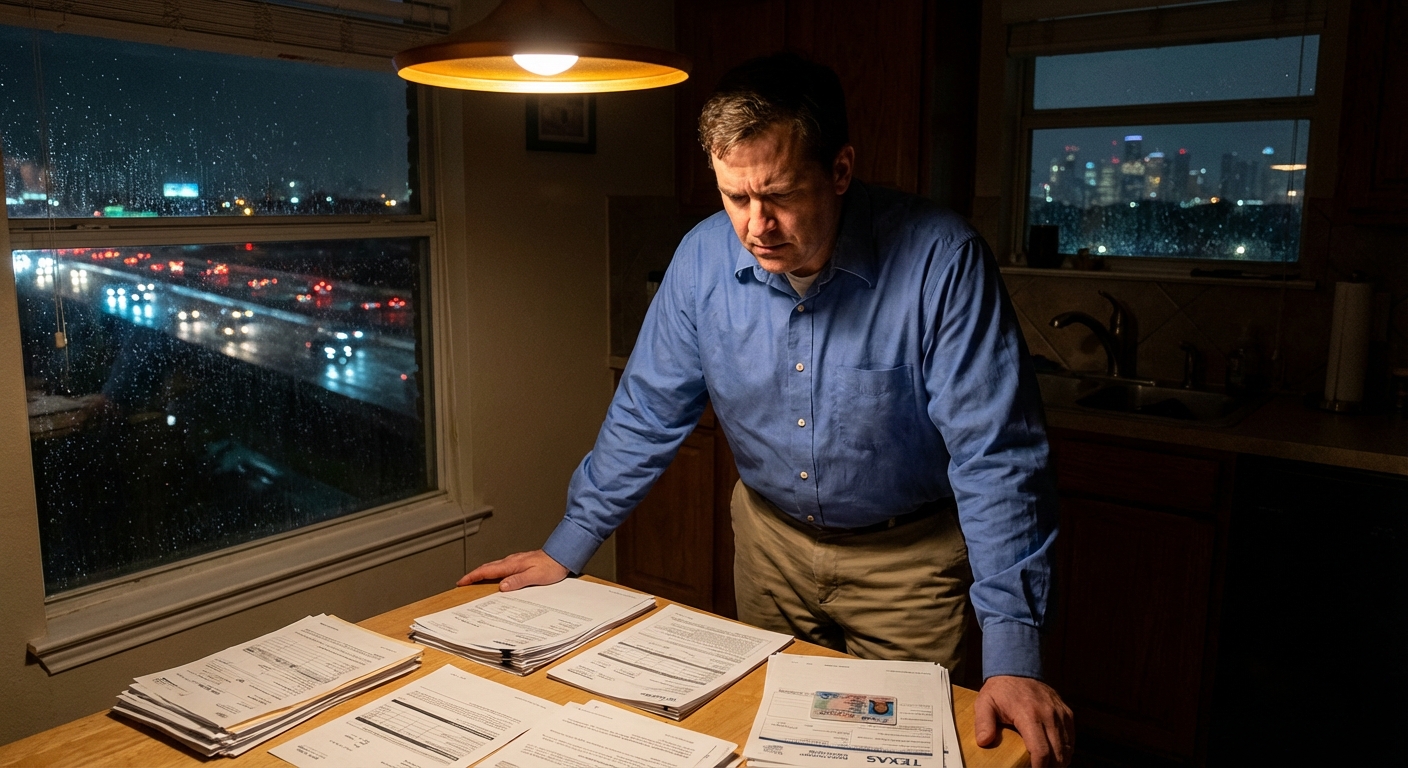
Right now you may be replaying the traffic stop and thinking, “Did I just blow up my whole life over one mistake?” You are worried about your license, your job site, your crew, and your kids at home who need you to keep the paychecks coming.
Here is the big picture in plain English:
- You are facing a criminal DWI case in a Harris County or nearby Texas county court.
- Separate from that, Texas DPS can try to suspend your license through the ALR process, even before the criminal case is finished.
- For most first time DWIs, the real fight in the first 15 days is about your driving privileges and protecting your future options in the criminal case.
You are not convicted yet. A DWI arrest is a starting point, not the end of the story. There are deadlines, defenses, and practical steps you can take this week that can make a real difference months from now.
Immediate Next Steps After a Houston DWI Arrest: Simple Numbered Checklist
If you feel overwhelmed, focus on this short list first. These are the practical moves that help protect your license and your job in the days right after your DWI arrest.
-
Mark the 15 day ALR deadline on your calendar.
From the date you received your Notice of Suspension, you generally have only 15 days to request an Administrative License Revocation hearing. If you miss this, DPS can move forward with a suspension automatically. A helpful resource that walks through how to request an ALR hearing and protect your license can give you a deeper step by step overview of the process.
-
Request the ALR hearing to try to stop or shorten a suspension.
You can request the hearing online through the official DPS portal. Many drivers use the Request an ALR hearing (Texas DPS official portal) to submit the request and confirm DPS received it. A lawyer can also file this on your behalf, but what matters most is that it is requested on time and correctly.
If you want a more detailed written checklist, a longer guide on the numbered 15‑day ALR checklist to protect your license can take you through each step in more depth.
-
Gather your paperwork and write down what happened.
Put all your documents in one folder, including the DIC-25 notice, your bond conditions, any tow slip, and your court date information. Then, while it is still fresh, write a simple timeline: where you were, what you drank, what the officer said, what tests you took or refused, and any witnesses who saw you before the stop.
-
Learn what to do and what not to do after a DWI stop.
Even though the stop already happened, knowing what to do at the traffic stop and immediate next steps helps you understand what the officer was looking for and where legal issues may exist, for example field sobriety tests or questions about medications.
-
Plan how you will get to work and court for now.
If your license is still valid while the ALR is pending, keep your paperwork in your vehicle. If you are worried about a future suspension, start thinking about backup transportation for job sites or family duties just in case, like carpooling with a co-worker or adjusting schedules.
-
Decide what to say to your employer and when.
If driving is part of your construction job, you may need to tell a supervisor or HR about the arrest, especially if they run regular background checks or you operate company vehicles. A related article about what to say to your employer and immediate actions can help you plan this talk in a calm, truthful, and limited way.
-
Talk with a qualified Texas DWI lawyer about both tracks.
Even a short consultation can help you understand how the ALR case and the criminal case connect and what options might be realistic for your situation. The sooner you get clear advice, the easier it is to avoid small mistakes that cause bigger problems later.
If you are the main provider in your house, these steps are about keeping the paycheck steady while you work through the legal side as carefully as possible.
Understanding the ALR Process and Why the 15 Day Deadline Matters
Many Houston drivers do not realize that ALR is its own case. It is an administrative proceeding with the Texas Department of Public Safety that focuses only on your right to drive, not whether you are guilty of a crime.
In general, an ALR case can be triggered if:
- You refused a breath or blood test after being asked to provide a sample under Texas implied consent law.
- You agreed to the test and the result was at or above the legal limit, often .08 or higher for most drivers.
Texas has an Texas statute explaining implied consent and refusals that lays out when DPS can move to suspend your license based on refusal or test results, even before the criminal DWI is decided. That is why the 15 day deadline to request a hearing is not a small detail. It is the main way to challenge the suspension and sometimes to obtain key evidence about the traffic stop and testing.
At an ALR hearing, the issues often include whether the officer had reasonable suspicion to stop you, probable cause to arrest you, and whether they followed the proper procedures for the breath or blood test. Winning at ALR can keep you driving, and even when you do not win, the hearing can lock in testimony that may later help in the criminal case.
How a Houston DWI Can Affect Your Job, License, and Family Life
For a construction manager or trades supervisor, losing your license is not just an inconvenience. It can affect your ability to reach job sites, inspect work, and supervise crews across Houston and surrounding counties.
Here are common impacts you may be worried about:
- License suspension. For a first DWI with a failed test, license suspensions commonly run in the range of 90 days to one year, and for a refusal they can be longer. These numbers vary based on your record and facts.
- Job risk. Some employers review driving records regularly, especially if you drive company trucks or carry tools and equipment. Even a pending DWI can raise questions with insurance or risk management.
- Schedule strain. Court dates, classes, testing, or an ignition interlock device can create time and money pressures that your family feels.
- Long term record. A DWI conviction can stay on your record for many years and can limit future roles that require clean driving histories or security clearances.
One common misconception is that a first DWI in Texas is “no big deal” and will just go away if you pay a fine. In reality, the combination of fines, court costs, license issues, higher insurance, and possible classes or device costs can easily reach several thousand dollars over time.
For your family, the biggest fear is often financial. The goal of acting early is to reduce surprises and keep you driving legally for work whenever possible.
Micro Story: A Houston Provider Facing a First DWI
Imagine a 35 year old construction manager named Mark in northwest Houston. He drives between multiple sites each day and often hauls gear in a company truck. One Friday night, after a few beers at a co-worker’s birthday, he gets pulled over near his neighborhood for speeding. The officer smells alcohol, does field sobriety tests, and arrests him for DWI.
Mark is booked in, panics about missing his Saturday shift, and wonders if he will be fired on Monday. He receives the temporary driving permit and Notice of Suspension but does not really understand what ALR means. His first court date is weeks away, so he thinks he has plenty of time.
On day 18, he finally looks closely at the paperwork and realizes he has missed the ALR deadline. DPS later suspends his license. His employer, already short staffed, gets frustrated with his transportation issues and takes him off a big project. Mark keeps his job but loses overtime and promotion chances. This is a realistic example of how missing one early step can quietly affect your income for months or years.
The point is not to scare you. It is to show how taking action in the first 15 days can change the path of your case and your work life.
Solution-Seeking Analyst: Quick Data Sidebar on DWI Cases and Timelines
If you are the kind of person who wants numbers and clear expectations, this short data style overview is for you.
- Case timelines. Many first time DWI cases in Harris County take several months to over a year to fully resolve, especially when there are motions, evidence reviews, or negotiations.
- ALR timelines. After the hearing is requested, the actual ALR hearing date is often set several weeks or months out, which may allow time to plan around possible suspensions or to seek an occupational license if needed.
- Outcomes vary. Some cases end in dismissals or reductions, others in plea agreements, and some go to trial. No honest lawyer can promise a result, but many focus on identifying weaknesses in the stop, testing, or paperwork to create leverage.
- Cost ranges. Between legal fees, fines, court costs, classes, and insurance changes, even a first DWI can sometimes reach a total impact in the low thousands to many thousands of dollars over several years, depending on the outcome and your driving record.
If you enjoy doing your own research, an interactive Q&A resource for common DWI questions and timelines can help you explore general patterns, but your exact situation will still depend on the facts of your arrest and your history.
What To Say To Your Employer About a Houston DWI Arrest
Talking to your boss or HR department can feel harder than talking to the judge. You may be asking yourself if you should say anything at all.
Here are some general points you can think through with a Texas DWI lawyer before you decide how to handle it at work:
- Check your policies. Review your employee handbook, union agreement, or company policies about arrests, criminal charges, and driving duties.
- Decide on timing. In some jobs, especially those involving driving or safety sensitive duties, it is better to be proactive rather than letting your employer find out from a record check later.
- Keep it short and factual. You can usually explain that you were arrested, that the case is pending, and that you are following all court and DPS requirements. You do not have to share every detail of the night.
- Show you have a plan. Employers are often more concerned about risk and reliability than about a single mistake. Showing that you are addressing license issues, attending court dates, and arranging transportation can help keep their trust.
You want to protect your income so you can keep paying your bills and caring for your family while the case plays out. Careful planning and clear, limited communication with your employer can help reduce job risk.
Career-Protected Nurse: Special Concerns About Licensure and HR
If you are a nurse or other licensed professional in Houston, a DWI arrest can raise extra fears about board reporting and hospital HR rules. You might be worried less about driving and more about your license and future shifts.
For nurses, pharmacists, teachers, and similar professionals, questions often include:
- Do I have to report this arrest to my board or employer now, or only if there is a conviction?
- Will an ALR license suspension affect my ability to get to night shifts or on call duties?
- Will HR assume I have a substance issue even if this was a one time event?
Because every licensing board has its own rules, it is important to pair DWI defense advice with guidance on HR and licensure. A focused, deadline driven defense that watches both the court case and ALR deadlines can help protect your ability to practice and to reach your patients on time.
High-Stakes Professional and Seasoned Executive: Discretion and VIP Handling
If you are a High-Stakes Professional or a Seasoned Executive, your main concern may be discretion. You might not be as worried about the fine as you are about news stories, online records, or boardroom rumors.
For these readers, it can be helpful to know that some DWI defense strategies focus on minimizing public exposure, handling as many appearances as possible without you, and closely managing who receives information and how. Elite, confidential strategies may also include working around travel, leadership, and family schedules so that legal steps cause as little disruption as possible while still meeting all court and DPS requirements.
Key Texas DWI Definitions in Plain English
Understanding a few basic terms can make the process feel less confusing. Here are some of the most important ones for Texas drivers:
- DWI means “driving while intoxicated.” In Texas, this usually means your mental or physical abilities are impaired by alcohol or drugs, or your blood alcohol concentration is at or above .08.
- ALR is the Administrative License Revocation process. It is a separate civil case against your license, handled by DPS and an administrative law judge.
- Occupational license is a type of restricted license that may let you drive to work, school, and essential household duties during a suspension, with limits and possible court orders.
- Ignition interlock device is a breath testing device installed in your vehicle that may be required as a condition of bond or probation, especially with higher BACs or repeat offenses.
- Misdemeanor vs felony DWI. Most first and second DWIs without major injuries are misdemeanors, while a third DWI or a DWI with certain aggravating factors can be a felony, which carries more serious penalties.
Knowing these basic terms helps you follow what is happening at court and in any ALR hearings so you can make better decisions about your case and your future.
Common Defenses and Issues in Houston DWI and ALR Cases
No two DWI cases look exactly the same. But certain issues come up often in Houston area arrests and ALR hearings.
Traffic Stop Problems
The officer must have a lawful reason to pull you over, such as speeding, weaving, or a broken taillight. If the original stop lacked legal grounds, it can affect both the criminal case and the ALR proceeding.
Field Sobriety Test Concerns
Walk and turn, one leg stand, and eye movement tests depend heavily on proper instructions and conditions. Uneven pavement, poor lighting, heavy work boots, or medical conditions can all affect how you perform. Questioning whether the officer followed their training can be a key part of the defense.
Breath and Blood Test Issues
Breath test machines require regular maintenance and proper operation. Blood tests involve chain of custody, lab procedures, and calibration. Problems in any of these areas can raise doubts about the reported BAC level.
Paperwork and Notice Problems in ALR
In the ALR process, DPS and the officer must follow certain notice and paperwork rules. Errors in the DIC forms, missing signatures, or late filings can create defenses that focus strictly on the license issue, even if the criminal case is still moving forward.
For you as a provider, these defenses are not just legal details. They are tools that can help protect your license, reduce your risk of jail or long term supervision, and lower the total cost of the case over time.
Costs, Fines, and Long-Term Impact of a Texas DWI
It helps to have a rough idea of the possible costs so you can plan. These are general ranges, not promises or predictions.
- Fines and court costs. A first DWI in Texas can carry fines of up to several thousand dollars, plus extra court costs and state fees.
- Classes and programs. You may have to pay for DWI education classes, possible alcohol or drug evaluations, and sometimes community supervision fees.
- Ignition interlock or monitoring. If an interlock is ordered, there is an installation fee plus monthly monitoring fees.
- Insurance. Auto insurance often increases after a DWI, sometimes for several years, which can quietly add hundreds or more in total cost.
- Lost income. Missed shifts, lost overtime, or reduced duties because you cannot drive or must attend court can add up in ways that are easy to overlook at first.
Putting these together, it is realistic for the overall financial impact of a DWI to reach well into the thousands over time. Planning early, protecting your license, and aiming for the best possible outcome within the facts can help limit how much this one event reshapes your budget and your long term goals.
Unaware Young Adult: A Short Cautionary Fact
If you are an Unaware Young Adult and this is the first time you have really thought about DWI law, here is a simple but important point. A single DWI arrest in Texas can affect your record, your insurance, and your job options long after the night is over. In some situations, the full cost of a DWI over the years can be higher than the price of a used car.
Even if you think you are fine to drive or it is only a short trip, planning rides, using a rideshare, or having a sober driver is often much cheaper and safer than taking a risk that can follow you for years.
Frequently Asked Questions About the Houston DWI 15 Day ALR Deadline and License Protection
What is the 15 day ALR deadline after a DWI in Texas?
The 15 day ALR deadline is the time limit to request an Administrative License Revocation hearing after you receive notice that DPS plans to suspend your license. If you do not request the hearing within about 15 days of your DWI arrest paperwork, DPS can move forward with suspension without hearing your side. This deadline is separate from your criminal court dates, so you must track both.
Will my Texas driver’s license be suspended automatically after a Houston DWI arrest?
Your license is not always suspended automatically, but DPS can suspend it if you fail or refuse a breath or blood test and do not request an ALR hearing on time. If you do request the hearing, that request often delays any suspension until after the hearing takes place. The exact length of suspension, if any, depends on your record and whether you refused or failed testing.
How long does a first DWI stay on my record in Texas?
In Texas, a DWI conviction can stay on your criminal record for many years and may not be easy to remove. Some cases may qualify for certain relief options such as nondisclosure, but this depends on many factors, including your history and the outcome of the case. Because of this long term impact, taking your first DWI seriously from day one is important.
Can I still drive to work in Houston if my license is suspended?
If your license is suspended after the ALR hearing or a conviction, you may be able to seek an occupational license that allows limited driving for essential needs such as work, school, or important household duties. Courts often place conditions on these licenses, and you may have to carry special paperwork or install an interlock device. The rules can be strict, but they are often better than having no legal way to drive at all.
How much does a DWI usually cost in Texas?
The cost of a DWI in Texas varies widely, but once you add fines, court costs, classes, possible interlock fees, increased insurance, and any lost income, the total financial impact can easily reach several thousand dollars. Cases with more serious facts or repeat offenses can cost even more. Planning ahead and understanding all the layers of cost can help you make better choices about how to handle your case.
Why Acting Early After a DWI Arrest in Houston Really Matters
When you are the main provider for your family, the fear of losing your license, job, and income can be overwhelming. Acting early is the best way to turn that fear into a plan.
By focusing on the 15 day ALR deadline, requesting your hearing, organizing your paperwork, planning how to handle your employer, and talking with a qualified Texas DWI lawyer, you are giving yourself the best chance to keep driving legally and to protect your long term goals. You cannot control every part of the process, but you can control how prepared you are at each step.
Over the next few weeks and months, staying informed, showing up to court, and following through with any conditions will matter more than what happened in a few minutes on the side of the road. That is how many people in Houston move past a DWI arrest and keep caring for their families and careers.
If you have just been arrested and want a simple, visual walkthrough of the first steps, watch this short guide from a Houston DWI lawyer. It explains what to do now to protect your license, job, and case while you are still inside that crucial 15 day window.
Butler Law Firm - The Houston DWI Lawyer
11500 Northwest Fwy #400, Houston, TX 77092
https://www.thehoustondwilawyer.com/
+1 713-236-8744
RGFH+6F Central Northwest, Houston, TX
View on Google Maps


No comments:
Post a Comment